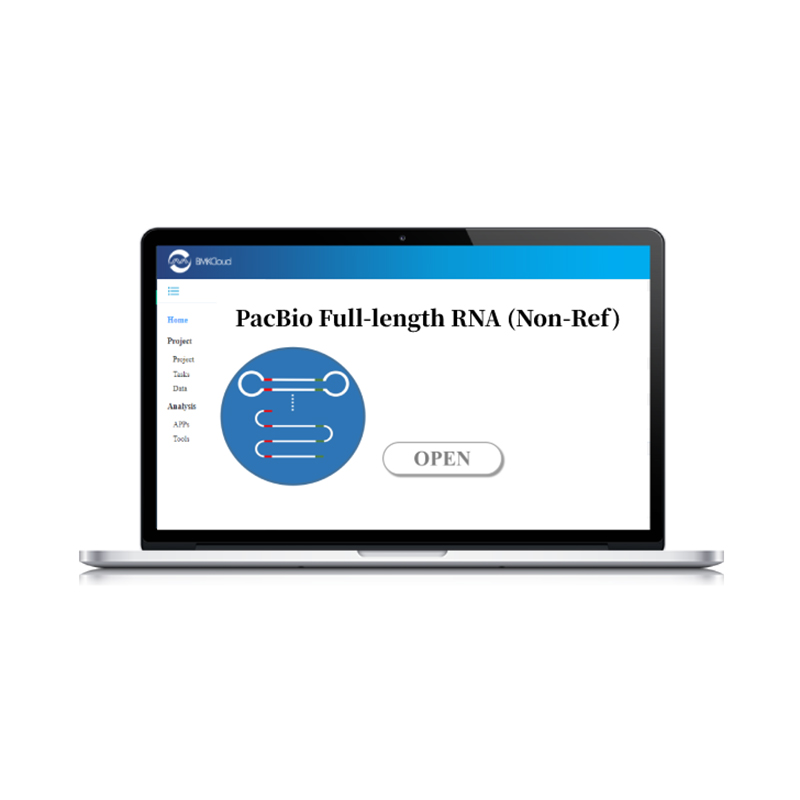
Featured Multi-Omics Sequencing Solutions
Advanced high-throughput molecular tools optimized for microbiome analysis and full-scale genomic research.



16S rRNA Sequencing in the Industrial & Content Ecosystem
Driving scientific validation, biopharma translation, and content authority across modern life sciences.
Commercial Landscape & Precision
In modern industrial applications, 16S ribosomal RNA sequencing acts as the foundational taxonomic gold standard. Through hypervariable regions (V1-V9), businesses uncover taxonomic distributions across clinical trials, biotherapeutics, agricultural biostimulants, and food safety validation setups.
Automated Content Pipelines
Content creation in genome sequencing requires deep technical accuracy paired with high-impact data visualizations. Automating 16S workflows allows pharmaceutical, clinical, and industrial brands to transform raw OTU/ASV metrics into validated scientific papers, case studies, and compliance assets.
Full-Length Long-Read Shift
Transitioning from short-read amplicons to full-length 16S rRNA gene profiling using platforms like PacBio Sequel II and Oxford Nanopore has resolved species- and strain-level classification ambiguities, setting a new paradigm for academic publications and regulatory filings.
The Strategic Role of 16S rRNA Gene Sequencing in Genomic Content Architecture
The microbial universe plays an indispensable role in human physiology, environmental balances, industrial bioremediation, and agricultural sustainability. The 16S rRNA gene, approximately 1,500 base pairs long, contains nine hypervariable regions (V1 through V9) separated by highly conserved sequences. This evolutionary architecture makes it the ultimate phylogenetic chronometer and genetic signature for prokaryotic identification. As high-throughput sequencing technologies mature, 16S rRNA gene sequencing has evolved from an exploratory academic technique into an industrial driver for genome sequencing content creation, strategic IP documentation, bioinformatics platforms, and cross-disciplinary research.
Within genomic content creation, technical documentation must translate massive datasets into actionable knowledge. High-density biological content relies heavily on the veracity of taxonomic classifications, operational taxonomic unit (OTU) clustering, and amplicon sequence variant (ASV) resolution. By integrating long-read technology such as PacBio HiFi reads or Oxford Nanopore alongside traditional short-read platforms like Illumina NovaSeq and DNBSEQ systems, scientific communicators and industrial bioinformaticians can create high-authority white papers, technical bulletins, and clinical reports supported by definitive species-level resolution.
Industrial and Commercial Status: Microbiome-to-Market Transition
Today, the commercialization of 16S rRNA gene sequencing encompasses sectors ranging from biotherapeutics and personal care formulations to environmental monitoring and synthetic biology. In the pharmaceutical arena, the gut-brain axis, immuno-oncology modulation by commensal flora, and live biotherapeutic products (LBPs) depend on rigorous amplicon tracking. Regulatory authorities require robust, reproducible genomic workflows before green-lighting microbiome-derived therapeutics. Companies that combine molecular automation with sophisticated bioinformatics deliver trustworthy data architectures that accelerate clinical validation, patents, and scientific white papers.
In agriculture and environmental technology, soil microbiome profiling via 16S rRNA amplicon libraries facilitates the engineering of microbial biofertilizers, pathogen-suppressive substrates, and carbon-sequestration monitoring platforms. High-throughput gene sequencing data functions as tangible commercial assets, allowing synthetic biology enterprises to establish clear competitive differentiation, register software copyrights, and safeguard proprietary bacterial consortia.
Technological Evolution: From Fragmented Reads to Full-Length Functional Insights
Historically, short-read sequencing was confined to assessing partial hypervariable segments—frequently V3-V4 or V4 regions. While cost-effective, partial coverage struggled to delineate closely related taxa at the species level, frequently resulting in ambiguous taxonomic annotations. The advent of high-fidelity long-read sequencing has transformed this paradigm. By sequencing the complete 1.5 kb 16S rRNA gene, modern laboratories achieve unprecedented taxonomic sensitivity, separating pathogenic species from beneficial strains with zero amplification truncation.
Furthermore, merging 16S rRNA profiling with functional multi-omics—including metatranscriptomics, single-cell analysis, chromatin profiling, and spatial transcriptomics—provides a multidimensional view of microbial function in situ. Content creators can thus weave comprehensive biological narratives that explain not merely who is there, but what metabolic activities they perform under dynamic environmental or therapeutic pressures.
Biomarker Technologies (BMK)
Decades of genomics excellence, innovative bioinformatics platforms, and state-of-the-art sequencing infrastructures.
Biomarker Technologies (BMKGene), founded in 2009, is a leading genomics service provider with over 16 years of continuous innovation in high-throughput sequencing and bioinformatics. Backed by more than 60 national invention patents and 200+ software copyrights, we deliver comprehensive multi-omics solutions—spanning genomics, metagenomics, epigenetics, single-cell omics, transcriptomics, and our proprietary BMKMANU S3000 spatial transcriptome technology—supported by our advanced BMKCloud bioinformatics platform. We have established long-term collaborations with organizations across 84 regions worldwide, providing reliable genomic solutions on a global scale.

Our Platforms
PacBio platforms: Sequel II, Sequel, RSII
Nanopore platforms: PromethION P48, GridION X5 MinION
10X Genomics: 10X ChromiumX, 10X Chromium Controller
Illumina platforms: NovaSeq
BGI-sequencing platforms: DNBSEQ-G400, DNBSEQ-T7
Bionano Irys system
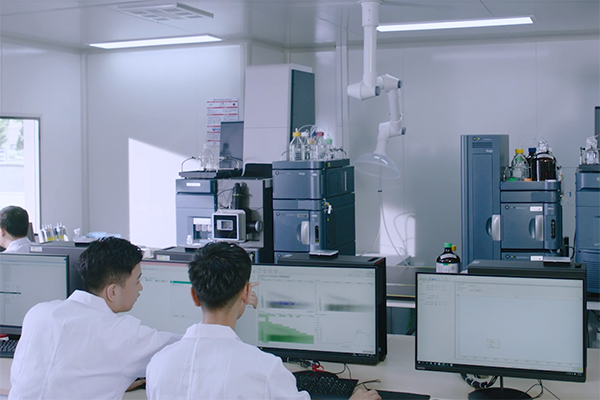
Waters XEVO G2-XS QTOF / QTRAP 6500+

Over 20,000 square feet place
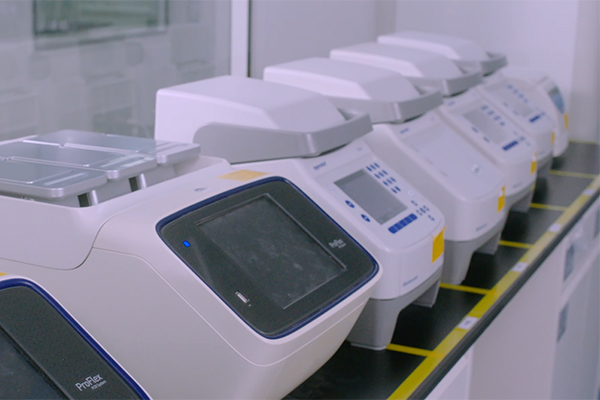
Advanced biomolecular laboratory instruments
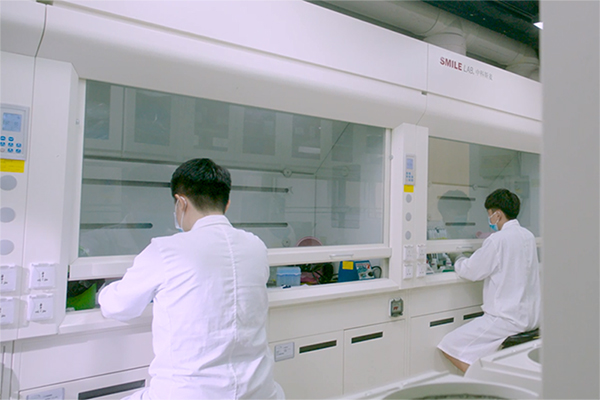
Standard labs of sample extraction, library construction, clean rooms, sequencing labs
Standard procedures from sample extraction to sequencing under strict SOPs

Reliable, Ease-to-use On-line Bioinformatic Analysis Platform
Self-developed BMKCloud platform
CPUs with 41,104 memory and 3 PB total storage
4,260 computing cores with peak computing power over 121,708.8 Gflop per second.
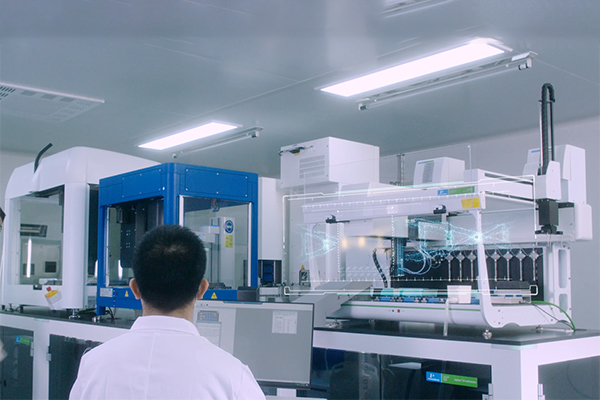
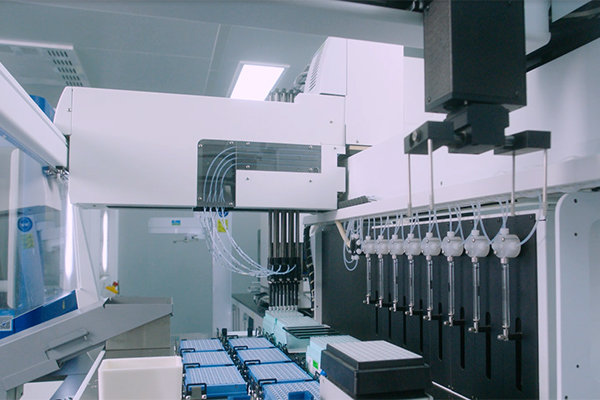
Fully Automated Platform for Next-generation sequencing--Brilliant Lab 1000
Biomarker technologies (BMKGENE) and PerkinElmer have jointly built a fully automated experimental production line, called Brilliant Lab 1000 (BL1000), which is applied to the high-throughput NGS library construction service.
BMKGENE strives to greatly improve the entire line of sequencing products in terms of product types, production line throughput, delivery quality, and cycle time, to provide customers with better sequencing services.
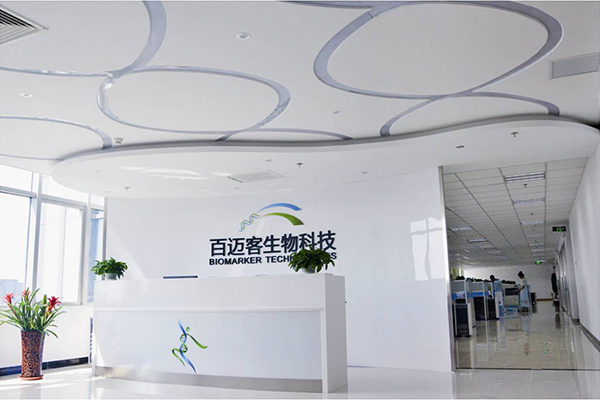
Industrial Laboratory Infrastructure
Standardized automated operations supporting worldwide genomics delivery.



Enterprise Qualification & Patents
Rigorous quality control systems backed by ISO certifications, intellectual properties, and national academician workstations.


For inquiries about our products or pricelist, please leave your email to us.
We will be in touch within 24 hours.
Inquiry NowComprehensive Genomic & Sequencing Portfolio
Explore our full range of sequencing services tailored for diverse research paradigms and industrial scale.