
Featured Academic Cooperation Toolsets
Accelerate transcriptomic discovery with optimized nucleic acid extraction, targeted exosomal profiling, and evolutionary computational modules designed for collaborative research.

High-integrity automated extraction ensuring pristine nucleic acids for high-throughput cDNA synthesis and sequencing.

Extracellular vesicle RNA landscape resolution, dissecting biomarker signatures and intercellular communication pathways.

Cross-species phylogenomics, positive selection sweeps, and adaptive evolution modeling fueled by long-read transcripts.

Robust humic-acid removal chemistry guaranteeing high yield from complex environmental and gut microbial samples.
The Paradigm Shift: Third-Generation Full-Length Transcriptomics in Academic Research
Over the past two decades, high-throughput short-read RNA sequencing (RNA-seq) has served as the backbone of molecular biology, catalyzing foundational discoveries in gene expression quantification and differential regulation. However, because conventional technologies rely on enzymatic fragmentation and algorithmic transcript assembly, standard short-read approaches frequently stumble when resolving full-length isoform architecture, complex alternative splicing (AS), alternative polyadenylation (APA), and gene fusions. In multi-exonic eukaryotic genes, short reads spanning only 150 base pairs fail to capture long-range exon connectivity, resulting in chimeric assemblies and severe underestimation of isoform-level diversity.
Full-Length mRNA Sequencing (Full-Length mRNA-Seq)—powered by third-generation single-molecule sequencing technologies including Pacific Biosciences (PacBio Iso-Seq) and Oxford Nanopore Technologies (ONT)—has eliminated this computational hurdle. By reading continuous cDNA molecules or native RNA strands from 5' poly(A) tail to 3' cap without fragmentation, full-length sequencing resolves the complete structural transcript without assembly ambiguity. In the modern academic research landscape, this capability has evolved from an exploratory technique into an indispensable standard for non-model organism genome annotation, cancer neoantigen discovery, crop pan-transcriptome construction, and neurobiological alternative splicing analysis.
While genes dictate fundamental transcriptional capacity, it is the distinct mRNA isoforms that dictate biological phenotype, protein domain folding, subcellular localization, and post-translational modification sites. Partnering with Biomarker Technologies (BMKGene) allows university laboratories and research institutes to bypass computational assembly guesswork and directly observe pristine transcript topologies.
Accurate Isoform Cataloging
Directly capture intact transcription start sites (TSS) and polyadenylation sites (PAS), unveiling thousands of previously unannotated splice variants across eukaryotic species.
Fusion Transcript Mapping
Uncover complex gene rearrangements and oncogenic gene fusions at single-molecule resolution without high rates of false-positive short-read junction calls.
BMKCloud Scalability
Process terabytes of third-generation long-read datasets through validated, publication-grade bioinformatic pipelines hosted on our proprietary cloud computing architecture.
Advanced Academic Application Scenarios
The academic utility of full-length mRNA sequencing spans multiple scientific disciplines, offering novel biological insights that were previously obscured by the statistical limitations of short fragments. BMKGene collaborates with principal investigators (PIs), research consortia, and university departments to design project-specific workflows tailored to unique academic inquiries.
1. Agricultural Genomics & Crop Pan-Transcriptome Modeling
Plant genomes—frequently characterized by paleopolyploidy, whole-genome duplication events, high repetitive sequence content, and dynamic heterozygosity—represent one of the most demanding frontiers for structural genomics. Conventional short-read assemblies conflate homeologous genes in allotetraploid and allohexaploid crops (such as wheat, cotton, and canola). Full-length mRNA sequencing provides the long-read continuity needed to segregate homeolog-specific expression and characterize tissue-specific splicing cascades under abiotic stress (drought, salinity, thermal shock) and pathogen invasion.
2. Oncology, Immunogenomics & Chimeric Fusion Transcripts
In translational medicine and cancer biology, aberrant alternative splicing is recognized as a hallmark of malignant transformation. Full-length sequencing pinpoint somatic splice variants, novel exons generated by intron retention, and non-canonical exon skipping that produce neoantigens. Furthermore, PacBio Iso-Seq and ONT platforms reliably detect intra- and inter-chromosomal gene fusions, helping investigators characterize oncogenic driver mutations and drug-resistance splice variants that evade standard targeted panels.
3. Neurobiology & Brain Transcriptome Heterogeneity
The mammalian central nervous system exhibits the highest diversity of alternative splicing of any organ system. Neurexins, calcium channel regulators, and synaptic cell-adhesion molecules generate thousands of distinct protein isoforms from a single genetic locus. Full-length mRNA sequencing allows neuroscientists to decipher isoform-level reprogramming during neurogenesis, synaptic plasticity, cognitive decline, and neurodegenerative disorders such as Alzheimer's, Parkinson's, and ALS.
4. Non-Model Organism De Novo Genome Annotation
For research teams sequencing newly assembled genomes of ecological, medicinal, or evolutionary importance, gene prediction software relying solely on ab initio algorithms suffers from substantial false-positive and false-negative rates. Supplementing newly assembled reference genomes with deep full-length mRNA-seq data establishes pristine evidence-based gene models, defining exact exon-intron boundaries, 5' UTRs, and 3' UTRs in a single unified workflow.
About Biomarker Technologies (BMKGene)
Biomarker Technologies (BMKGene), founded in 2009, is a leading genomics service provider with over 16 years of continuous innovation in high-throughput sequencing and bioinformatics. Backed by more than 60 national invention patents and 200+ software copyrights, we deliver comprehensive multi-omics solutions—spanning genomics, metagenomics, epigenetics, single-cell omics, transcriptomics, and our proprietary BMKMANU S3000 spatial transcriptome technology—supported by our advanced BMKCloud bioinformatics platform. We have established long-term collaborations with organizations across 84 regions worldwide, providing reliable genomic solutions on a global scale.
Our Platforms & Laboratory Excellence
State-of-the-art sequencing fleets, certified clean rooms, and high-performance cloud clusters ensuring rapid project turnaround and impeccable data integrity.

Sequencing Fleets
PacBio platforms: Sequel II, Sequel, RSII
Nanopore platforms: PromethION P48, GridION X5 MinION
10X Genomics: 10X ChromiumX, 10X Chromium Controller
Illumina platforms: NovaSeq
BGI platforms: DNBSEQ-G400, DNBSEQ-T7
Bionano Irys system
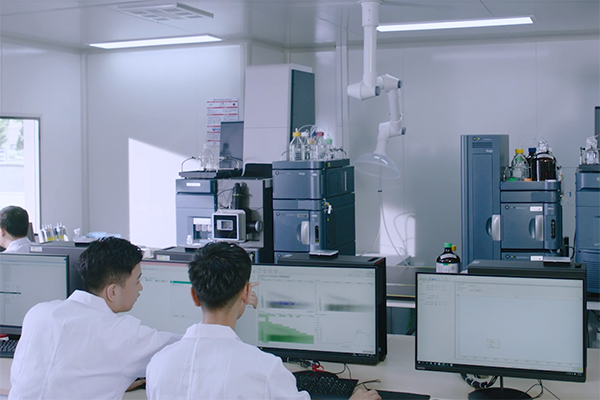
Waters XEVO G2-XS QTOF & QTRAP 6500+

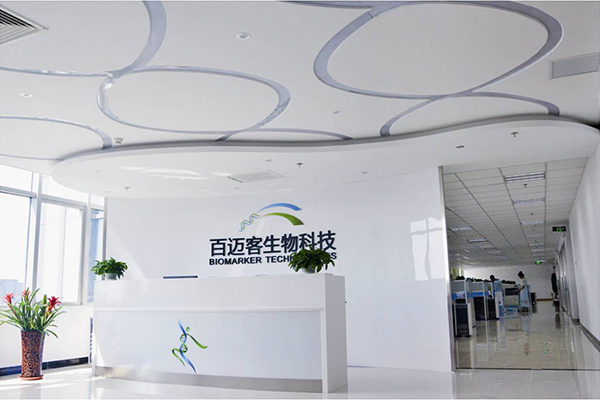
Over 20,000 Square Feet Facility
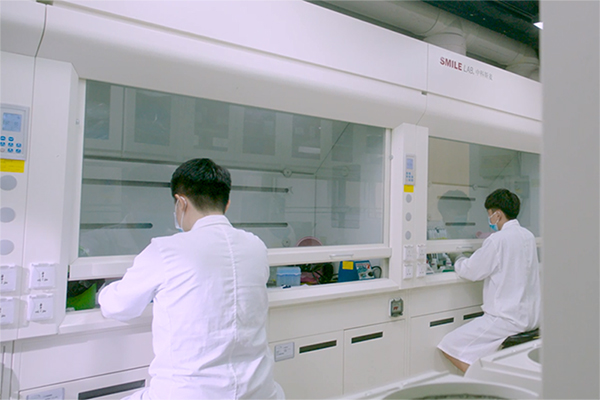
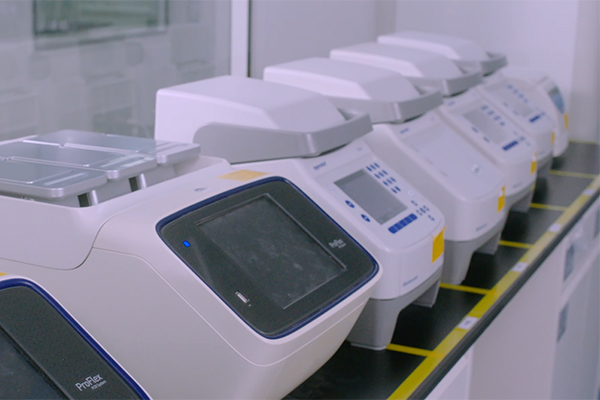
Advanced biomolecular laboratory instrumentation.
Standardized facilities for sample extraction, library construction, clean rooms, and sequencing suites.
Strict standard operating procedures (SOPs) governing every step from tissue lysis to ultra-deep data generation.

BMKCloud Bioinformatic Computing
Proprietary BMKCloud bioinformatics platform.
High-capacity cluster with 41,104 MB memory and 3 PB scalable storage.
4,260 dedicated computing cores delivering peak calculation power exceeding 121,708.8 Gflop per second.
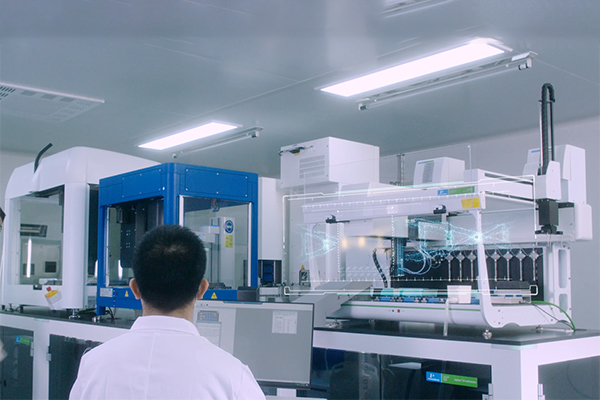
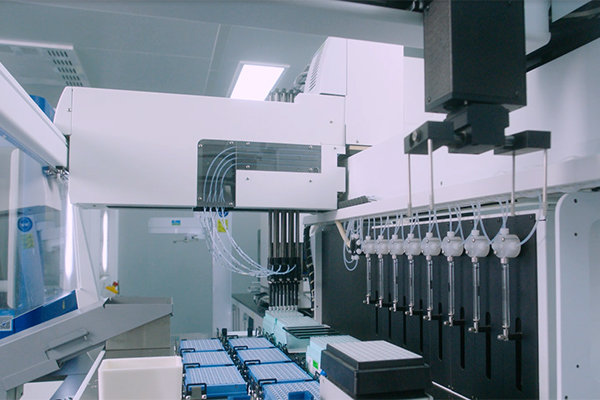
Fully Automated Platform for Next-Generation Sequencing: Brilliant Lab 1000 (BL1000)
Biomarker Technologies (BMKGENE) and PerkinElmer have jointly built a fully automated experimental production line, named Brilliant Lab 1000 (BL1000), tailored for high-throughput NGS and third-generation library construction services.
By eradicating manual pipetting variations and human error, BL1000 significantly enhances sequencing quality, accelerates turnaround time, minimizes reagent batch effects, and expands delivery capacities for massive international academic cohorts.



Collaborative Frameworks for Academic Institutions
BMKGene recognizes that academic research demands more than standard contract testing. Academic partnerships require adaptive experimental design, rigorous biological interpretation, transparent documentation, and grant-support assistance. Our academic cooperation program is structured around four foundational tiers:
Joint Grant Application
We assist academic partners with grant proposal technical sections, pilot study data generation, experimental design validation, and bioinformatics workflow documentation for national science foundations.
Customized Bio-pipelines
Beyond standard differential expression, our computational biology team formulates bespoke algorithms for complex structural variants, circular RNA identification, and long non-coding RNA-protein networks.
Education & Talent Base
Through university teaching practice bases and post-doctoral research workstations, we provide postgraduate training, computational workshop access, and collaborative co-author publication support.
Whether your lab is examining small pilot cohorts or orchestrating multi-thousand sample population studies, our project managers and scientific consultants ensure seamless project oversight from sample shipping logistics to publication-ready data presentation.
Accreditations, Joint Labs & Intellectual Property
Our commitment to scientific excellence is validated by global certifications, joint academic labs, and an extensive patent portfolio.
Academic Joint Laboratories & Research Workstations


Representative Invention Patents & Bioinformatic Copyrights


Academic Cooperative Service Portfolio
Combine Full-Length mRNA-Seq with our end-to-end multi-omics technologies for synergistic multi-dimensional biological investigation.
Automated magnetic bead extraction optimized for diverse animal, plant, and microbial tissue types.
Comprehensive non-coding and messenger RNA interrogation within extracellular vesicles.
Phylogenetic tree topology, selective sweep scanning, and lineage speciation dynamics.
Effective inhibitor removal yield high molecular weight metagenomic DNA from difficult substrates.

High-resolution LC-MS/MS qualitative and quantitative proteomics integrating seamlessly with isoform models.

Genome-wide mapping of histone modifications and transcription factor occupancy loci.

Untargeted and targeted metabolic flux analysis providing phenotypic verification for transcriptional pathways.

Deep variant calling (SNPs, InDels, SVs) characterizing microbial population genetics and evolution.


