Integrated Core Sequencing & Analytical Frameworks
Harnessing leading high-throughput sequencing technologies and bioinformatic pipelines to anchor comprehensive metabolomic and multi-omic experimental designs.



The Paradigm Shift: Metabolic Profiling as the Pinnacle of Multi-Omic Systems Biology
In the contemporary landscape of life sciences, functional biology is undergoing an unprecedented renaissance. For decades, genomics and transcriptomics have mapped the blueprints and intermediate messages of cellular machinery. However, knowing the potential encoded within DNA or the transcripts generated during RNA expression fails to fully capture instantaneous biochemical events, post-translational modulations, enzyme kinetics, and environmental feedback. This critical gap has positioned metabolic profiling (metabolomics) as the ultimate functional readout of biological systems.
Metabolites—the low-molecular-weight organic compounds involved in biochemical processes as substrates, intermediates, and end-products—represent the most direct bridge between the genotype and the observable phenotype. By capturing the dynamic metabolic state of an organism, tissue, or single-cell microenvironment, metabolic profiling provides the proximate biochemical context required to translate multi-layered genomic data into actionable therapeutic, agricultural, and industrial discoveries. Developing holistic multi-omic solutions that seamlessly weave high-resolution metabolomics with next-generation genomics, epigenomics, and transcriptomics is now essential for cutting-edge bioscience innovation.
Downstream Functional Phenotyping
Metabolites amplify subtle genomic and transcriptomic variations into measurable physiological metrics, reflecting immediate cellular adaptations and biochemical flux.
Integrated Data Topology
Correlating transcript abundance with metabolite concentrations unlocks pathway-level flux analysis, revealing regulatory checkpoints and metabolic bottlenecks.
AI-Driven Molecular Deconvolution
Leveraging deep-learning spectral matching and neural network graph models to rapidly identify unknown metabolite features and assign functional pathways.
Commercial Landscape and Industrialization Trends of Multi-Omic Metabolomics
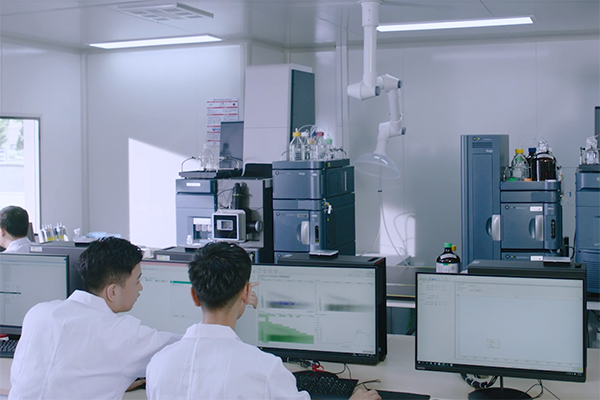
The commercial market for multi-omics integration is expanding at an accelerated compound annual growth rate (CAGR), driven by the biopharmaceutical sector's demand for high-confidence target discovery, biomarker identification, and synthetic biology optimization. Historically, metabolomics was limited by analytical throughput, chromatographic variability, and spectral annotation ambiguities. Today, the industrial convergence of high-resolution mass spectrometry (such as Waters XEVO G2-XS QTOF and QTRAP 6500+ systems), automated liquid handling robotics, and enterprise bioinformatic cloud platforms has transformed metabolic profiling into a standardized, high-throughput discovery pipeline.
Major commercial drivers steering multi-omic development include:
- Accelerated Drug Discovery & Target Validation: Characterizing oncometabolites (e.g., 2-hydroxyglutarate in IDH-mutant tumors) and tracking how small molecules alter entire metabolic networks prevents late-stage clinical trial failures.
- Microbiome-Host Co-Metabolism: Understanding the complex dialogue between gut microbial populations and host tissues requires coupling 16S/Metagenomic sequencing with untargeted metabolomic analysis of microbial-derived short-chain fatty acids, bile acids, and indole metabolites.
- Agri-Biotech & Crop Engineering: Combining whole-genome sequencing with metabolic QTL (mQTL) mapping helps breeders select for secondary metabolites linked to pest resistance, nutritional density, and drought tolerance without compromising yield.
- Industrial Fermentation & Synthetic Biology: Real-time metabolic flux profiling enables metabolic engineers to optimize microbial cell factories (e.g., E. coli or Pichia pastoris) for the synthesis of bioplastics, enzymes, and active pharmaceutical ingredients.
Methodological Architectures: Untargeted, Targeted & Spatial
Modern metabolic profiling within multi-omic architectures relies on a tiered analytical strategy. Untargeted metabolomics delivers unbiased global profiling across thousands of metabolic features, ideal for hypothesis generation and novel biomarker discovery. Targeted metabolomics utilizes triple quadrupole instruments (e.g., QTRAP 6500+) operating in Multiple Reaction Monitoring (MRM) mode to achieve absolute quantification of defined panels with femtomolar sensitivity.
Furthermore, the advent of Spatial Metabolomics, coupled with spatial transcriptomics technologies such as BMKMANU S3000, allows researchers to overlay metabolite distributions directly onto histological tissue architectures, uncovering microenvironmental heterogeneity within tumors and plant vascular systems.
Bioinformatic Data Harmonization & Machine Learning
The true bottleneck in multi-omics is computational synthesis. Combining discrete data layers—discrete genomic variants, continuous transcript counts, and continuous metabolite peak intensities—requires specialized bioinformatic frameworks. Using Weighted Gene Co-expression Network Analysis (WGCNA), Multi-Omics Factor Analysis (MOFA+), and Joint Pathway Analysis (MetaboAnalyst), researchers can map gene-transcript-metabolite cascades.
With cloud compute power exceeding 121,708.8 Gflops and petabyte-scale storage architectures (as hosted on BMKCloud), bioinformaticians can execute complex Gaussian graphical models to infer direct vs. indirect regulatory interactions in biological pathways.
Expanded Application Scenarios in Modern Biological Solutions
To fully appreciate the scope of metabolic profiling in multi-omic development, it is necessary to examine real-world application scenarios where multi-layer omics has redefined scientific breakthroughs:
Scenario A: Precision Oncology & Immuno-Metabolism
Tumor cells dynamically reprogram their metabolism to survive hypoxia, nutrient deprivation, and immune surveillance (the Warburg and reverse Warburg effects). By combining RNA-Seq with comprehensive lipidomics and amino acid profiling, clinicians can discover metabolic vulnerabilities, such as glutamine addiction or aberrant sphingolipid signaling, enabling synthetic lethality drug combinations.
Scenario B: Climate-Resilient Agricultural Breeding
Crop resilience is fundamentally governed by metabolic adaptations—such as the accumulation of osmoprotectants (proline, betaine), flavonoids, and antioxidant polyphenols under thermal or salt stress. Linking telomere-to-telomere (T2T) genomic assemblies with untargeted LC-MS/MS metabolic profiles identifies the exact genomic loci regulating metabolic bursts, accelerating marker-assisted breeding.
Scenario C: Gut-Brain Axis & Microbiome Pharmacology
The gut microbiome communicates with distant host organs via circulating metabolites. Integrating full-length 16S/PacBio amplicon sequencing with serum and fecal metabolomics has uncovered neuroactive metabolites (gamma-aminobutyric acid, tryptophan derivatives) directly implicated in depression, neurodegeneration, and autoimmune disorders, creating new avenues for live biotherapeutic products.
Scenario D: Synthetic Biology & Metabolic Engineering
In industrial bio-manufacturing, engineered strains often experience metabolic imbalances, toxic intermediate accumulation, or enzyme degradation. Integrating proteomics with high-throughput metabolomics pinpoints flux bottlenecks, allowing bioengineers to apply CRISPR-based gene editing to rebalance metabolic pathways for optimal titer, rate, and yield.
Biomarker Technologies (BMKGene)
Founded in 2009, Biomarker Technologies is a world-leading genomics and multi-omics service provider with over 16 years of continuous innovation in high-throughput sequencing and bioinformatics.
Backed by more than 60 national invention patents and 200+ software copyrights, we deliver comprehensive multi-omics solutions—spanning genomics, metagenomics, epigenetics, single-cell omics, transcriptomics, metabolic instrumentation, and our proprietary BMKMANU S3000 spatial transcriptome technology—supported by our advanced BMKCloud bioinformatics platform. We have established long-term collaborations with organizations across 84 regions worldwide, providing reliable genomic and multi-omic solutions on a global scale.

Leading Multi-level Platforms
PacBio platforms: Sequel II, Sequel, RSII
Nanopore platforms: PromethION P48, GridION X5 MinION
10X Genomics: ChromiumX, Chromium Controller
Illumina & BGI: NovaSeq, DNBSEQ-G400, DNBSEQ-T7
Analytical MS: Waters XEVO G2-XS QTOF, QTRAP 6500+, Bionano Irys system

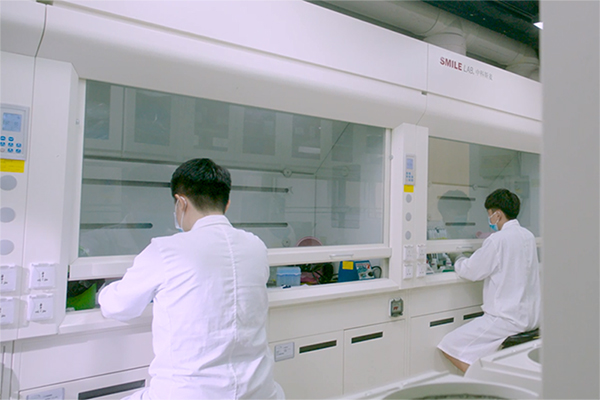
Over 20,000 Sq Ft Molecular Labs
Advanced biomolecular laboratory instrumentation and clean-room setups.
Standardized laboratories dedicated to high-efficiency sample extraction and library construction.
End-to-end standard operating procedures (SOPs) governed by rigorous multi-tier quality control.

BMKCloud Bioinformatic Platform
Self-developed BMKCloud computing infrastructure for multi-omic synthesis.
Over 41,104 memory, 3 PB total high-speed storage capacity.
4,260 computing cores delivering peak computing power of 121,708.8 Gflops per second.
Fully Automated Platform for Next-Generation Sequencing — Brilliant Lab 1000
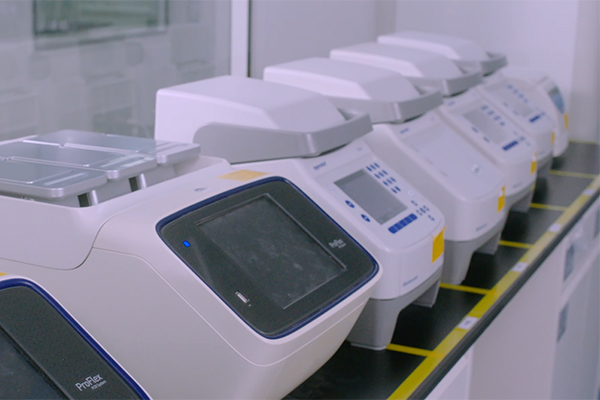
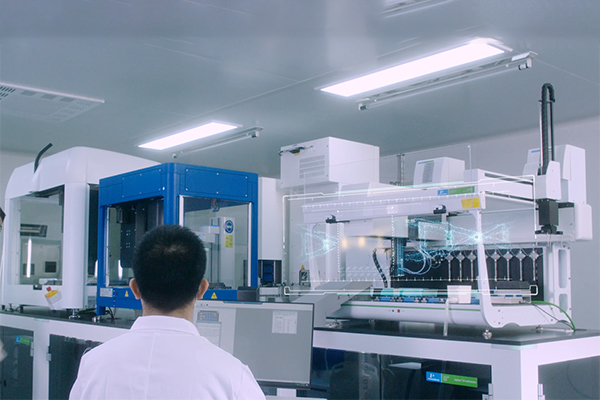
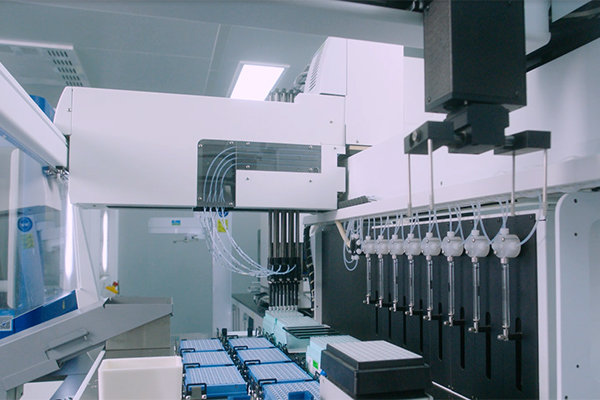
Biomarker Technologies (BMKGENE) and PerkinElmer have jointly built a fully automated experimental production line, called Brilliant Lab 1000 (BL1000), applied to high-throughput NGS library construction and multi-omic sample preparation.
BMKGENE strives to greatly improve the entire line of multi-omic and sequencing products in terms of product types, production line throughput, delivery quality, and turnaround cycle time, empowering research institutions and biopharmaceutical clients with consistent, high-precision results.




Enterprise Qualifications, Certifications & Patents
Our commitment to data integrity and scientific precision is certified by global quality benchmarks and supported by extensive proprietary patents.
 Certification on Nanopore-based service provider
 Joint Laboratory with PerkinElmer Inc.
 Joint Laboratory of BioCloud Computing
 Joint Laboratory with PacBio & Gene Co.
 Teaching Practice Base of HZAU
 National High & New Technology Enterprise
 National Academician Research Workstation
 Post-doctoral Research Workstation
 ISO9001 Quality Certification
 ISO14001 Environmental Certification
 OHSAS 18001 Health & Safety Certification
 Patent: Bioinformatics Task Monitoring
 Patent: BMKCloud lncRNA Analysis
 Patent: Cloud Sequencing Analytics
 Patent: BSA Biomolecular Marker Discovery
 Patent: Genome De Novo Assembly
 Patent: Hi-C Library Construction
 Patent: High-Density Linkage Map
 Patent: High-Throughput Data Analysis
 Patent: Non-Reference RNA-Seq Analysis
 Patent: Plant Genome DNA Extraction
 Patent: RRS Library Construction
 Patent: SLAF-Seq Technique
 Copyright: Hi-C Genome Assembly
 Copyright: Facilitated Hi-C Assembly
 Copyright: Microbiome Analysis System
 Copyright: Species Database Construction
Accelerate Your Multi-Omic & Metabolic Profiling Project
For inquiries about our sequencing platforms, analytical pipelines, or customized pricelists, connect with our multi-omics technical consultants. We will be in touch within 24 hours.
Inquire Now →End-to-End Multi-Omic & Genomics Products
Explore our complete catalog of extraction kits, high-throughput sequencing protocols, and cloud toolkits engineered for multi-omic precision.