Featured Multi-Omics & Profiling Solutions
High-resolution sequencing and molecular kits serving metabolic and functional genomics research throughout Egypt and the Middle East.
The Landscape of Metabolic Profiling in Egypt: Trends, Industry, and Applications
Exploring how metabolomic phenotyping, integrated multi-omics, and high-resolution instrumentation are revolutionizing Egyptian life sciences.
Clinical Biomarker Discovery
Uncovering subtle metabolic perturbations in Egyptian cohorts suffering from endemic metabolic disorders, cardiovascular diseases, and oncology targets through untargeted and targeted mass spectrometry.
Arid Agriculture & Nile Delta Resilience
Deciphering biochemical adaptative mechanisms in Egyptian wheat, barley, and date palm crops under extreme heat, drought, and hyper-saline soil conditions to reinforce regional food security.
Phytomedicine & Natural Chemistry
Characterizing the rich secondary metabolome of indigenous Sinai medicinal herbs and aromatic plants to support Egypt’s burgeoning pharmaceutical, nutraceutical, and cosmeceutical industries.
Industrial Evolution of Metabolic Profiling across Egypt
Metabolic profiling—the comprehensive, qualitative, and quantitative measurement of low-molecular-weight metabolites in biological fluids, cells, and tissues—has transitioned from an exploratory academic discipline into a pivotal technological driver across Egypt's biotechnology, medical, and agronomic landscapes. Geographically positioned at the nexus of Africa and the Middle East, Egypt is undergoing an expansive scientific modernization aligned with "Egypt Vision 2030." This national strategic directive emphasizes domestic biotechnology capability, pharmaceutical self-reliance, and modernization of agricultural productivity.
Historically concentrated around university chemistry faculties in Cairo, Alexandria, Ain Shams, and Assiut, the analytical infrastructure for metabolomics has historically relied on baseline Nuclear Magnetic Resonance (NMR) and conventional Gas Chromatography-Mass Spectrometry (GC-MS). However, the past five years have witnessed an aggressive transition toward ultra-high performance liquid chromatography coupled to high-resolution accurate mass tandem spectrometry (UHPLC-HRMS/MS), such as Quadrupole Time-of-Flight (QTOF) and hybrid triple quadrupole-ion trap systems. Research institutes, clinical contract research organizations (CROs), and industrial laboratories throughout Greater Cairo and the 10th of Ramadan industrial city are increasingly demanding multi-omics integration, where metabolomics is matched directly with transcriptomic and genomic datasets to illuminate the ultimate phenotype of biological systems.
National Health Priorities and Personalized Medicine Initiatives
One of the most profound drivers of metabolic profiling adoption in Egypt has been the country’s decisive focus on public health epidemiology. Following the monumental success of the "100 Million Healthy Lives" campaign, which screened and treated millions for Hepatitis C Virus (HCV) and non-communicable diseases (NCDs), medical researchers recognized that post-cure monitoring, liver fibrosis progression, and metabolic-associated fatty liver disease (MAFLD) require high-dimensional molecular surveillance. Metabolic profiling provides clinicians with granular insight into altered lipid metabolism, bile acid dysregulation, and amino acid signatures indicative of early-stage hepatocellular carcinoma (HCC).
Furthermore, Egypt faces elevated incidence rates of Type 2 Diabetes, pediatric metabolic syndromes, cardiovascular disorders, and specific bladder and breast cancers. Collaborative programs led by the National Research Centre (NRC), Children’s Cancer Hospital Egypt 57357, and specialized university medical centers utilize both targeted and untargeted metabolomic platforms to discover localized biomarkers. Because metabolic signatures reflect genetics, environmental exposure, diet, and the gut microbiome, studying cohorts specific to Egyptian demographics provides diagnostic accuracy that Western biomarker libraries cannot replicate. The demand for exosomal profiling, regulatory non-coding RNA correlation, and high-throughput lipidomics is expanding exponentially.
Agricultural and Environmental Bio-Economy in Arid Ecosystems
Beyond human clinical diagnostics, agriculture serves as the backbone of Egypt's socio-economic stability. The Nile Delta and reclaimed desert farming enterprises face unprecedented pressures from freshwater scarcity, rising temperatures, and soil salinization. As Egypt executes massive desert reclamation programs such as the "New Delta Project" and the "Toshka Lakes Development," selecting and engineering resilient crop varieties has become urgent.
Metabolic profiling allows plant physiologists and agronomists to decipher osmoprotective metabolites, such as betaines, proline derivatives, flavonoids, polyols, and secondary phytoalexins, that confer stress tolerance. Integrating plant transcriptomics (Illumina RNA-Seq) with targeted mass spectrometry allows breeders to pinpoint the metabolic loci underlying drought tolerance in local durum wheat varieties, salt exclusion in Egyptian cotton, and longevity in date palms. Furthermore, the interplay between the plant rhizosphere and soil microbial metabolites is being unraveled using metagenomic and metatranscriptomic sequencing, identifying natural biostimulants and biofertilizers capable of replacing chemical inputs and restoring saline soil viability.
Convergence of Genomics, Bioinformatics, and Industrial Production
Modern metabolic profiling no longer operates in isolation. A single metabolomic assay can detect thousands of chromatographic features; however, translating these spectral peaks into biological mechanisms demands seamless computational integration with genomic variants, differential gene expression, and epigenetic modifications. Companies operating within Egypt must bridge the gap between physical analytical chemistry and cloud-native bioinformatic computing.
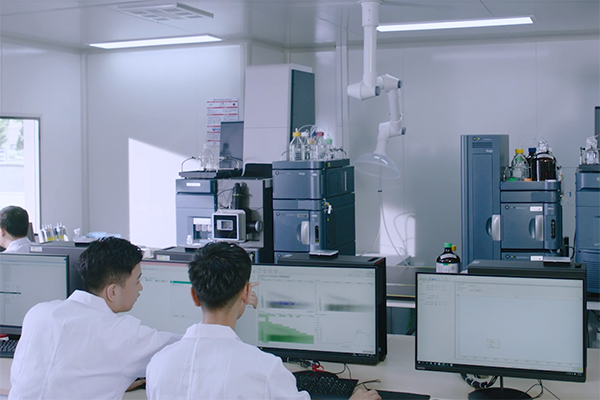
Biomarker Technologies (BMKGene) stands at this forefront, offering an end-to-end analytical matrix that couples advanced high-throughput sequencing (NGS and Third-Generation PacBio/Nanopore) with state-of-the-art mass spectrometry platforms including Waters XEVO G2-XS QTOF and SCIEX QTRAP 6500+. By standardizing sample handling, robotic library preparation, and high-performance bioinformatic cloud pipelines (BMKCloud), researchers in Egypt can effortlessly transition from untargeted metabolome fingerprinting to functional pathway confirmation and whole-transcriptome correlation.
Biomarker Technologies (BMKGene) - Global Multi-Omics Authority
Delivering comprehensive genomic and metabolomic solutions supported by 16+ years of scientific excellence and proprietary cloud bioinformatics.
Biomarker Technologies (BMKGene), founded in 2009, is a leading genomics and multi-omics service provider with over 16 years of continuous innovation in high-throughput sequencing, molecular biology, and bioinformatics. Backed by more than 60 national invention patents and 200+ software copyrights, we deliver comprehensive multi-omics solutions—spanning genomics, metagenomics, epigenetics, single-cell omics, transcriptomics, and our proprietary BMKMANU S3000 spatial transcriptome technology—supported by our advanced BMKCloud bioinformatics platform. We have established long-term collaborations with organizations across 84 regions worldwide, providing reliable genomic solutions on a global scale.

Leading High-Throughput Platforms
PacBio: Sequel II, Sequel, RSII
Nanopore: PromethION P48, GridION X5 MinION
10X Genomics: 10X ChromiumX, 10X Controller
Illumina & BGI: NovaSeq, DNBSEQ-G400, DNBSEQ-T7
Mass Spectrometry: Waters XEVO G2-XS QTOF, QTRAP 6500+
Optical Mapping: Bionano Irys System

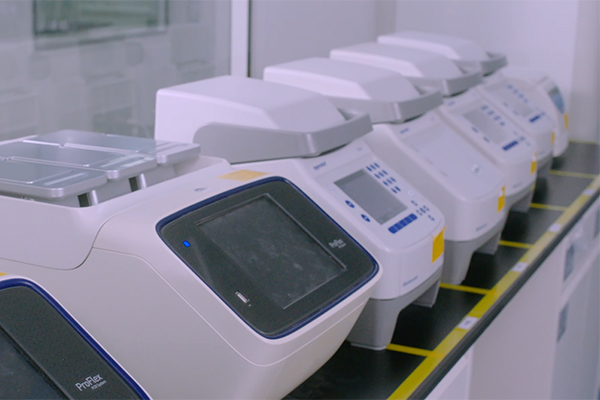
Over 20,000 Square Feet Facility
World-class automated biomolecular laboratory instruments.
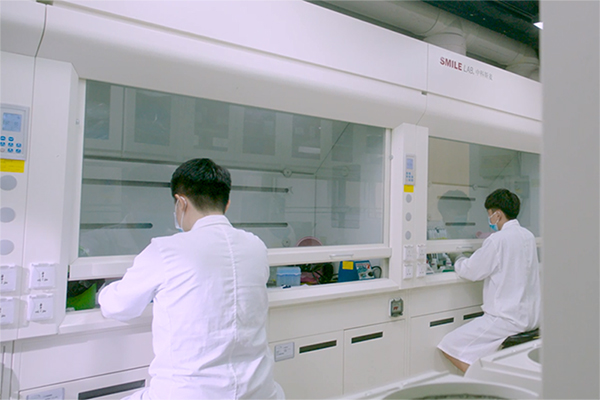
Clean rooms, specialized sample extraction suites, library construction laboratories, and high-throughput sequencing hubs.
Strict standard operating procedures (SOPs) governing end-to-end sample integrity from lysis to data release.

BMKCloud Bioinformatic Supercomputing
Proprietary, user-friendly BMKCloud online analysis architecture.
Server architecture featuring 41,104 memory and over 3 PB total high-speed storage.
4,260 computing cores delivering peak calculation speeds surpassing 121,708.8 Gflop per second for complex multi-omics integration.
Fully Automated High-Throughput Production
Industrializing precision molecular biology with the Brilliant Lab 1000 automated manufacturing line.
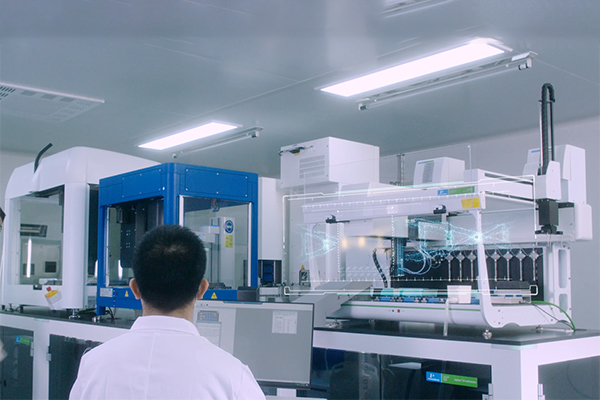
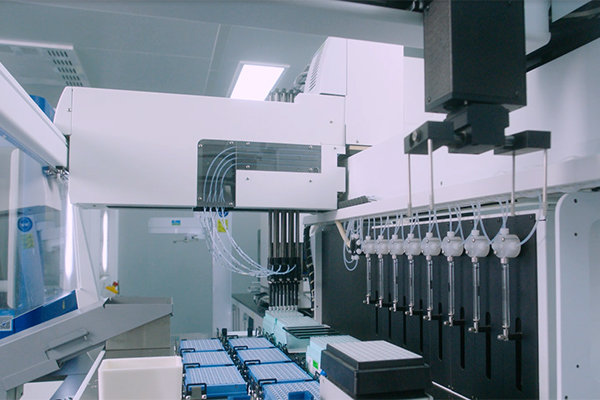
Brilliant Lab 1000 (BL1000) Automation
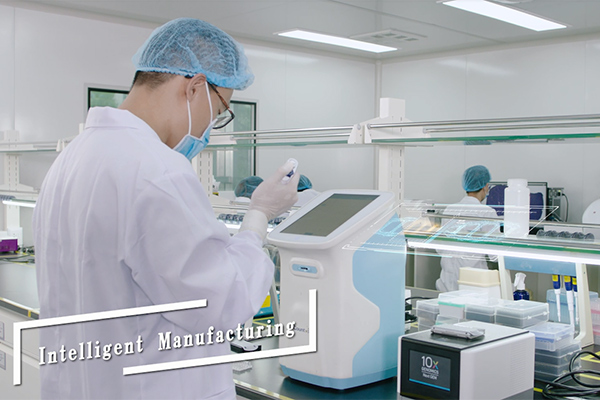
Biomarker Technologies (BMKGENE) and PerkinElmer have jointly engineered a fully automated experimental production line, known as Brilliant Lab 1000 (BL1000), deployed for high-throughput NGS library construction and molecular extraction workflows.
BMKGENE strives to greatly improve the entire line of sequencing and analytical products in terms of product types, production throughput, delivery consistency, and cycle time, empowering clients globally with unmatched reproducibility.


Enterprise Qualifications, Honors & Patents
Validated by global ISO standards, national research workstation accreditations, and proprietary intellectual property.


Comprehensive Multi-Omics & Metabolic Profiling Portfolio
Complete portfolio of sequencing technologies, automated extraction chemistries, and bioinformatic pipelines available for Egyptian researchers.