
Integrated Protein Identification & Library Solutions
Accelerating discovery with end-to-end multi-omics technologies, precision sequencing libraries, and state-of-the-art mass spectrometry identification.
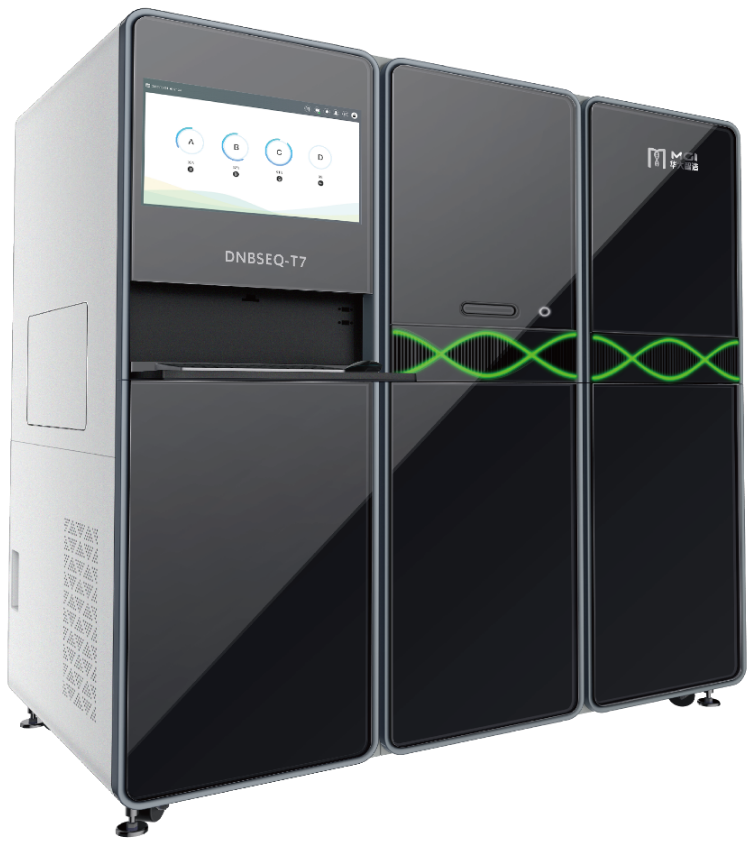
DNBSEQ Pre-made Libraries for Proteogenomics
Explore DNBSEQ Libraries
High-Throughput Protein Identification & Proteomics
Explore Proteomics Service
SLAF-Seq for Functional Protein Variant Mapping
Explore SLAF-Seq
Small RNA Sequencing (Illumina) & Regulatory Proteomics
Explore Small RNA SeqThe Industrial & Commercial Landscape of Protein Identification
The modern life sciences industry has witnessed a paradigm shift from single-molecule isolation toward massive-scale, high-throughput proteogenomics. Historically, protein identification relied heavily on traditional Edman degradation and standalone liquid chromatography-tandem mass spectrometry (LC-MS/MS). While powerful, conventional MS identification often struggled when encountering novel splicing isoforms, somatic point mutations, non-canonical translation products, or non-model organisms lacking reference protein databases.
Today, the commercial promotion of sequencing services fundamentally intertwines with protein identification. High-throughput Next-Generation Sequencing (NGS) and third-generation long-read platforms (PacBio, Oxford Nanopore) generate ultra-deep transcriptomic and genomic maps. These datasets serve as customized, sample-specific protein reference databases, overcoming the intrinsic limits of generic genomic repositories (such as UniProt or RefSeq). By coupling bottom-up and top-down mass spectrometry with whole-transcriptome sequencing, researchers can identify modified proteoforms, validate neoantigens in oncology, and uncover cryptic open reading frames (smORFs) with unprecedented statistical confidence.
In the biopharmaceutical sector, therapeutic monoclonal antibodies, antibody-drug conjugates (ADCs), and recombinant fusion proteins require absolute sequence integrity confirmation. Combining high-resolution tandem mass spectrometers (e.g., QTOF, Orbitrap, QTRAP 6500+) with automated NGS library construction lines ensures comprehensive coverage of primary amino acid sequences, variable region hypermutation profiling, and post-translational modifications (PTMs) including glycosylation, phosphorylation, and ubiquitination.
Proteogenomics: The Multi-Omics Synergy
Direct translation of sequencing big data into customized protein search libraries. Resolves single nucleotide variants (SNVs), alternative splice junctions, and novel non-coding RNA-derived micropeptides that traditional spectral searching routinely overlooks.
Accelerated Turnaround Time (TAT)
Coupled with fully automated liquid handling workstations and PerkinElmer robotic production lines, high-throughput sequencing library prep delivers sample-to-data results in record time without compromising peptide fragmentation accuracy.
Deep Application Scenarios for Integrated Sequencing & Protein Identification
From benchtop translational research to industrial bioproduction, explore how multi-level omics drives breakthrough discoveries across diverse life science sectors.
Clinical Neoantigen & Cancer Vaccine Discovery
Tumor immunotherapy demands rapid identification of patient-specific neoepitopes. Whole exome sequencing (WES) identifies somatic driver and passenger mutations, RNA-Seq measures transcriptional abundance, and high-resolution LC-MS/MS directly verifies peptide presentation on Human Leukocyte Antigen (HLA) Class I/II molecules. This integrated pipeline guarantees precision targeting in mRNA cancer vaccine formulations.
Antibody Engineering & De Novo Protein Sequencing
In therapeutic antibody manufacturing, mass spectrometry-based de novo peptide sequencing is matched against immune-repertoire NGS data (BCR sequencing). This hybrid approach resolves leucine/isoleucine ambiguities, confirms heavy and light chain assembly, maps disulfide bridges, and quantifies critical post-translational modifications (PTMs) in compliance with FDA/EMA regulatory guidelines.
Agrigenomics & Crop Molecular Breeding
Agricultural biotechnology relies on linking genotype to phenotype. Utilizing specific-locus amplified fragment sequencing (SLAF-Seq) in tandem with quantitative protein identification allows agriscientists to dissect molecular pathways responsible for drought tolerance, pathogen resistance, and yield optimization in polyploid crops like wheat, soybean, and maize.
Microbiome & Metaproteomics Profiling
Host-microbiome interactions govern human metabolic wellness, intestinal homeostasis, and soil ecological fertility. Metagenomic sequencing maps community taxonomy and functional gene inventories, while metaproteomics identifies genuinely active microbial enzymes and catalytic cascades, pinpointing functional metabolic fluxes in complex living consortia.
Industrial Enzyme Engineering & Synthetic Biology
High-throughput screening of engineered microbial strains requires concurrent monitoring of gene expression, promoter strength, and recombinant protein yields. Combining transcriptomics, toolkit bioinformatic suites, and targeted mass spectrometry (MRM/PRM via QTRAP 6500+) provides absolute quantification of synthetic pathway enzymes in bioreactors.
Single-Cell Proteogenomics & Spatial Biology
By pairing 10X Genomics Chromium platforms with proprietary spatial transcriptome technology (BMKMANU S3000), researchers correlate cellular mRNA profiles with in situ protein expression markers, unlocking the intricate cellular architecture of tumor microenvironments and neurological tissues.
Fully Automated Platform for Next-Generation Sequencing: Brilliant Lab 1000
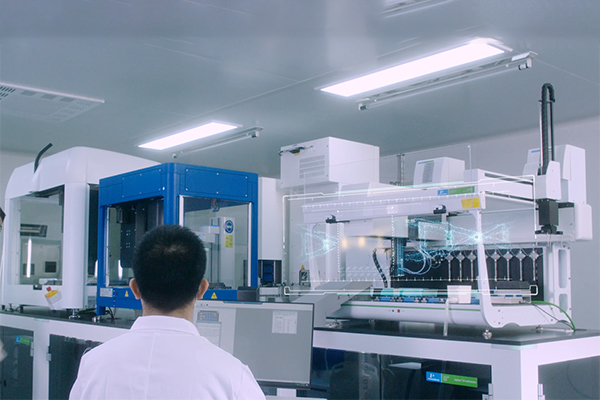
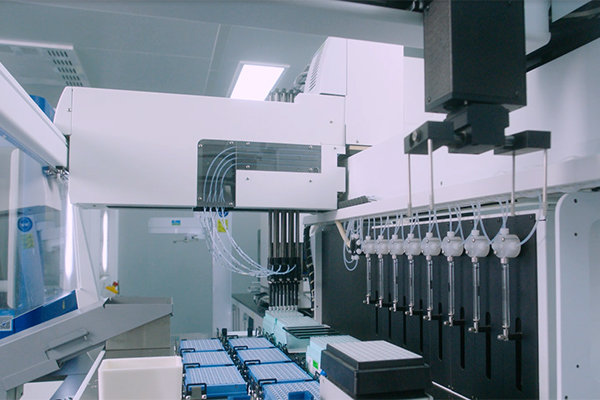
Biomarker Technologies (BMKGENE) and PerkinElmer have jointly engineered a fully automated experimental production line: the Brilliant Lab 1000 (BL1000). Dedicated to ultra-high-throughput NGS library construction and proteomic sample preparation, this system minimizes human error, standardizes reaction kinetics, and guarantees batch-to-batch repeatability.
BMKGENE continuously enhances its sequencing and proteomic portfolios across production throughput, delivery metrics, quality assurance, and turnaround times, supplying international research consortia with world-class multi-omics capabilities.
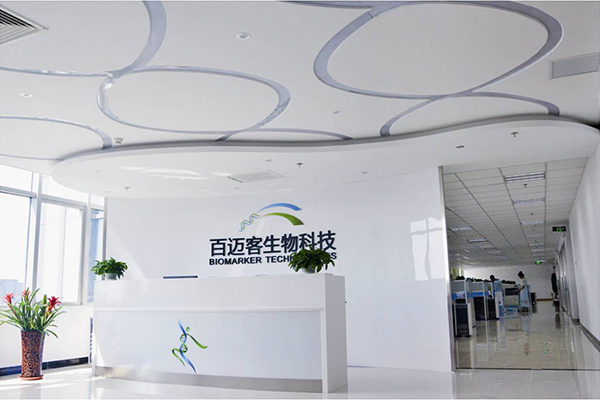
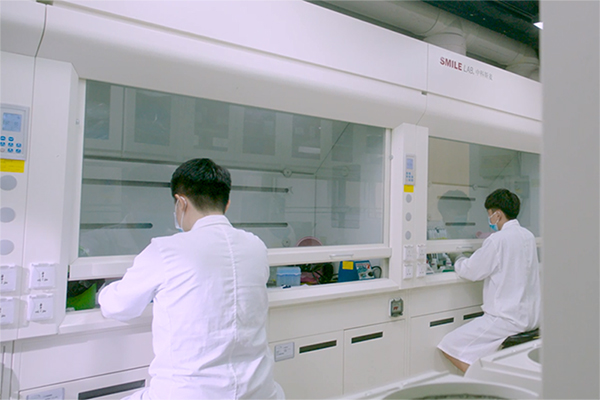
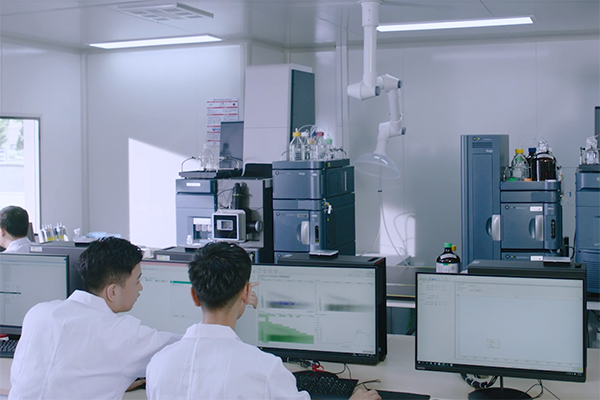
Industrial Facility & Automated Cleanroom Infrastructure



Biomarker Technologies (BMKGene): 16+ Years of Multi-Omics Innovation
Founded in 2009, Biomarker Technologies (BMKGene) has established itself as an international pioneer in genomics and proteomics service provision. Backed by over 16 years of continuous innovation in high-throughput sequencing and bioinformatics, we hold more than 60 national invention patents and 200+ software copyrights.
Our solutions span whole genomics, metagenomics, epigenetics, single-cell omics, spatial transcriptomics (featuring our proprietary BMKMANU S3000 system), and mass spectrometry-driven protein identification. Supported by our cloud-native BMKCloud bioinformatics infrastructure, we maintain enduring partnerships across 84 geographic regions worldwide.
Global Scientific Excellence
Global Reach: Active academic, clinical, and industrial collaborations across 84 international regions.
Proprietary IP: Over 60 national invention patents and 200+ registered bioinformatics software copyrights.
Cloud Infrastructure: Over 4,260 computing cores delivering peak calculation power of 121,708.8 Gflops/sec alongside 3 PB dedicated storage.
World-Class Multi-Level Sequencing & Mass Spectrometry Platforms
Combining short-read precision, long-read continuous assembly, single-cell resolution, and high-accuracy mass spectrometry.

Leading Multi-Level Platforms
PacBio Platforms: Sequel II, Sequel, RSII
Nanopore Platforms: PromethION P48, GridION X5, MinION
10X Genomics: 10X ChromiumX, 10X Chromium Controller
Illumina Platforms: NovaSeq Series
BGI-Sequencing: DNBSEQ-G400, DNBSEQ-T7
Bionano System: Bionano Irys Optical Mapping
Mass Spectrometry: Waters XEVO G2-XS QTOF, QTRAP 6500+

Professional Automatic Molecular Labs
Spacious Facilities: Over 20,000 square feet of certified laboratories.
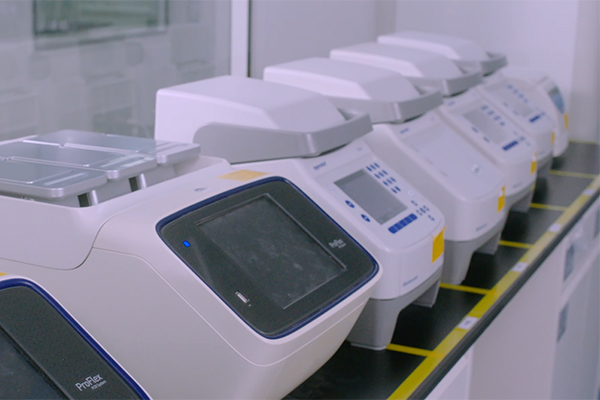
Advanced Instrumentation: Fully automated biomolecular liquid handlers and nucleic acid/protein extractors.
Strict Cleanroom SOPs: Specialized isolation suites for sample extraction, library construction, PCR amplification, and sequencing.
End-to-End Governance: Standardized procedures from tissue intake to final data release under strict ISO-compliant guidelines.

BMKCloud Bioinformatic Analysis
Cloud-Native Computing: Self-developed BMKCloud interactive analysis platform.
Enterprise Compute Power: 4,260 computing cores with peak performance surpassing 121,708.8 Gflop/sec.
Massive Scalability: Server memory exceeding 41,104 units and 3 PB high-speed storage array.
Turnkey Analysis Pipelines: Hundreds of pre-configured bioinformatics pipelines for proteogenomics, RNA-seq, and variant discovery.
Enterprise Qualifications, Joint Laboratories & Global Certifications
Verified adherence to international quality management systems, accredited joint laboratories, and certified academician workstations.
Accredited Joint Laboratories & Research Centers


Quality Certifications, National Patents & Software Copyrights


End-to-End Sequencing & Molecular Biology Reagent Portfolio
Integrate genomic sequencing, transcriptomics, mass spectrometry, kits, and bioinformatic cloud toolkits to power discovery.
DNBSEQ Pre-made Libraries
View Details
Proteomics & Protein Identification
View Details
SLAF-Seq Genotyping
View Details
Small RNA Sequencing (Illumina)
View Details
Circular RNA Sequencing (circRNA)
View Details
BMKCloud Bioinformatics Toolkits
View Details
LncRNA Sequencing & Regulation
View Details
TGuide Smart Soil / Stool DNA Kit
View DetailsAccelerate Your Research with Premier Sequencing & Protein Identification
For inquiries about our sequencing products, automated library services, or custom proteomic pricelists, connect with our technical specialists today. We will be in touch within 24 hours.
Inquiry Now

