Featured Proteomic & Molecular Workflows
Explore specialized analytical suites and automated extraction kits optimized for complex shotgun proteomics and genomics workflows in Latin American laboratories.


Proteomics in Mexico City: Commercial Landscape & Academic Clusters
A comprehensive examination of CDMX's rise as Latin America's primary nexus for high-resolution mass spectrometry and life science innovation.
Mexico City (Ciudad de México, CDMX) has emerged as the premier bio-analytical and translational research hub in Latin America. Driven by an expanding biotechnology sector, world-class biomedical academic institutions, and national institutes of health, the demand for shotgun proteomics (bottom-up proteomics) has grown exponentially over the past five years. Shotgun proteomics—characterized by the proteolytic digestion of complex protein mixtures into peptides followed by nano-liquid chromatography tandem mass spectrometry (nanoLC-MS/MS)—provides researchers with deep qualitative and quantitative profiling of entire proteomes.
The concentration of medical and biochemical research centers in southern Mexico City, particularly along the Calzada de Tlalpan corridor and within Ciudad Universitaria, establishes a dense ecosystem of potential end-users. Key institutions driving shotgun proteomics adoption include:
- Universidad Nacional Autónoma de México (UNAM): The Instituto de Biotecnología (IBt) in nearby Cuernavaca and the Instituto de Investigaciones Biomédicas (IIBO) in CU operate leading core facilities requiring high-throughput proteome characterization.
- CINVESTAV (Centro de Investigación y de Estudios Avanzados del IPN): The Zacatenco campus coordinates advanced programs in molecular medicine, agro-biotechnology, and toxicology requiring high-resolution peptide mapping.
- National Institutes of Health (Institutos Nacionales de Salud): Including the Instituto Nacional de Ciencias Médicas y Nutrición Salvador Zubirán (INCMNSZ), the Instituto Nacional de Cancerología (INCan), and the Instituto Nacional de Medicina Genómica (INMEGEN), where clinical biomarker discovery directly informs cancer staging, metabolic disorder tracking, and cardiovascular therapeutics.
- Private Biopharmaceutical & CRO Ecosystem: Commercial pharma manufacturers in Tlalpan, Coyoacán, and Naucalpan leverage proteomics for biotherapeutic quality validation, host cell protein (HCP) analysis, and biosimilar characterization.
Advanced Digestion
State-of-the-art enzymatic cleavage protocols (Trypsin/Lys-C) engineered to maximize peptide sequence coverage across diverse clinical and plant specimens.
DDA & DIA Modalities
Comprehensive Data-Dependent (DDA) and Data-Independent Acquisition (DIA) workflows powered by cutting-edge Orbitrap and QTOF mass spectrometers.
AI Bioinformatics
Deep-learning-assisted spectral library generation, peptide identification, post-translational modification (PTM) mapping, and multi-omics correlation.
Shotgun Proteomics Pricelist Guide & Cost Determinants in Mexico City
Transparent benchmark pricing, packaging considerations, and budgeting breakdowns for Mexican public tenders (CONAHCYT) and private CRO contracts.
Acquiring shotgun proteomics services in Mexico City involves distinct commercial pathways: utilizing local core academic facilities (frequently backlogged with long waiting queues) or contracting specialized international genomics and proteomics providers capable of processing large cohorts with standardized turnaround times. The pricing structure varies significantly based on sample preparation requirements, instrument acquisition time (60-minute vs. 120-minute chromatographic gradients), data acquisition mode (DDA vs. DIA), and multiplexing chemistry (Label-Free vs. TMT/iTRAQ).
| Service Classification | Workflow Details | Sample Throughput | Estimated Price (USD) | Estimated Price (MXN)* | Local Recommendation |
|---|---|---|---|---|---|
| Standard Label-Free DDA | In-gel / In-solution Trypsin digestion, 60-min nanoLC gradient, basic protein ID | 1 – 24 samples | $280 – $380 / sample | $4,900 – $6,650 | Pilot Studies |
| High-Depth Label-Free DIA | Direct DIA or Spectral Library generation, 90-120 min gradient, deep quantitation | ≥ 24 samples | $350 – $520 / sample | $6,125 – $9,100 | Recommended for Biomarkers |
| TMT 10-Plex / 16-Plex Multiplexing | Isobaric chemical labeling, high-pH reverse-phase fractionation, nanoLC-MS/MS | Batch of 10 or 16 | $950 – $1,450 / channel | $16,600 – $25,375 | Large Cohort Studies |
| PTM Profiling (Phospho / Ubiquitin) | TiO2 / Fe-NTA phosphopeptide enrichment, LC-MS/MS, site localization scoring | ≥ 12 samples | $580 – $850 / sample | $10,150 – $14,875 | Signaling Research |
| Host Cell Protein (HCP) Analysis | Targeted & non-targeted bioprocess clearance validation under GMP-like SOPs | Variable batches | $600 – $1,100 / sample | $10,500 – $19,250 | Pharma Manufacturing |
| Advanced Bioinformatic Pipeline | GO annotation, KEGG pathway enrichment, volcano plots, multi-omics integration | Per project | Included or $300 – $800 | $5,250 – $14,000 | Publication-Ready |
*Estimated currency conversion rates based on indicative spot exchange rate of ~17.5 MXN/USD. Actual project estimates in Mexico may include international biological cold-chain import customs clearance (SENASICA / COFEPRIS) and local VAT (IVA 16%).
Key Budgeting Factors for Research Teams in Mexico City
- Customs and Cold-Chain Logistics: Biological specimens transported out of Mexico City international hub (AICM / AIFA) require certified dry-ice cold-chain carriers (e.g., World Courier, Marken, DHL Medical Express) and customs declarations avoiding protein denaturation.
- CONAHCYT and Institutional Grants: Mexican institutional funding programs (e.g., Proyectos de Investigación Científica y Desarrollo Tecnológico) typically necessitate rigorous formal proforma invoices (Cotizaciones formales) with defined milestones and institutional compliance.
- Sample Quality & Extraction Efficiency: Low protein recovery from challenging matrices like high-lipid tissue, recalcitrant botanical specimens (e.g., Agave tequilana, cactaceae), or scarce biofluids (CSF, tears) may require specialized extraction buffers before MS injection, influencing preliminary service fees.
Localized Applications: Translating Proteomics Across Mexican Industries
From endemic metabolic diseases to agricultural resilience and biotechnology manufacturing, shotgun proteomics is transforming outcomes across Mexico.
1. Clinical Biomarker Discovery in Metabolic & Oncological Pathologies
Mexico suffers from one of the highest incidences of type 2 diabetes mellitus, metabolic syndrome, and non-alcoholic fatty liver disease (NAFLD) worldwide. Researchers at INCMNSZ and UNAM's Facultad de Medicina utilize quantitative shotgun proteomics to examine dynamic plasma proteome changes, identifying circulatory adipokines and glycation-induced peptide modifications that predict microvascular complications before clinical manifestation. Similarly, Mexican oncology initiatives at INCan utilize high-resolution mass spectrometry to uncover proteomic signatures associated with aggressive subtypes of triple-negative breast cancer and gastric cancer prevalent in the Hispanic genetic background.
2. Agrobiotechnology & Resilient Crop Engineering
With prolonged droughts affecting agricultural production in northern and central Mexico, CINVESTAV Irapuato and metropolitan CDMX research groups deploy bottom-up proteomics to dissect stress-response cascades in native crops, including drought-tolerant maize varieties, beans (Phaseolus vulgaris), and Agave species. Discovering heat-shock proteins (HSPs), osmotic regulatory enzymes, and pathogen-defense peptides helps breeders isolate molecular targets for gene editing and climate resilience.
3. Biopharmaceutical Quality Control and Biosimilar Validation
Mexico's regulatory agency, COFEPRIS, enforces stringent evaluation criteria for biotherapeutics and "biocomparables" (biosimilars). Shotgun proteomics is indispensable for characterizing therapeutic monoclonal antibodies (mAbs), ensuring correct amino acid sequences, identifying low-abundance host cell protein (HCP) contaminants, and monitoring critical quality attributes (CQAs) such as deamidation, oxidation, and glycosylation profiles.
4. Infectious Diseases & Vector Biology
Tropical and infectious diseases—such as Dengue, Chikungunya, Chagas disease (Trypanosoma cruzi), and tuberculosis—continue to pose major healthcare challenges in Mexico. Shotgun mass spectrometry enables CDMX researchers to unravel salivary gland proteomes of disease vectors (such as Aedes aegypti and triatomine bugs) and characterize pathogen-host surface interactomes to engineer novel diagnostic assays and recombinant vaccines.
Biomarker Technologies (BMK)
Over 16 years of continuous innovation in high-throughput sequencing, multi-omics, and cloud bioinformatics across 84 regions worldwide.
Biomarker Technologies (BMKGene), founded in 2009, is a leading genomics service provider with over 16 years of continuous innovation in high-throughput sequencing and bioinformatics. Backed by more than 60 national invention patents and 200+ software copyrights, we deliver comprehensive multi-omics solutions—spanning genomics, metagenomics, epigenetics, single-cell omics, transcriptomics, and our proprietary BMKMANU S3000 spatial transcriptome technology—supported by our advanced BMKCloud bioinformatics platform. We have established long-term collaborations with organizations across 84 regions worldwide, providing reliable genomic solutions on a global scale.
Our Platforms
Comprehensive instrumentation offering multi-level sequencing, mass spectrometry, and automated molecular biology.

Leading Multi-Level Sequencing
PacBio platforms: Sequel II, Sequel, RSII
Nanopore platforms: PromethION P48, GridION X5 MinION
10X Genomics: 10X ChromiumX, 10X Chromium Controller
Illumina platforms: NovaSeq
BGI-sequencing platforms: DNBSEQ-G400, DNBSEQ-T7
Bionano Irys system
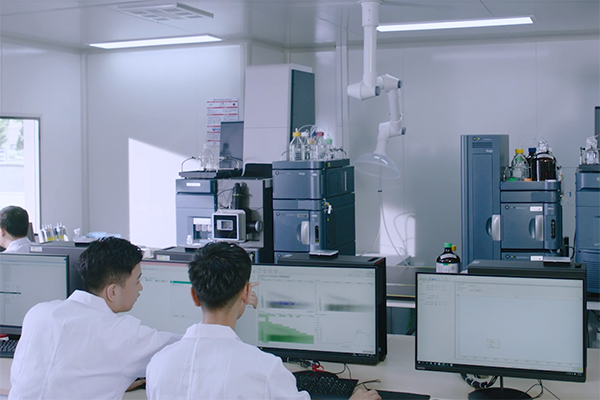
Mass Spectrometry: Waters XEVO G2-XS QTOF, QTRAP 6500+

Over 20,000 Square Feet Facility
Advanced biomolecular laboratory instruments
Standard labs of sample extraction, library construction, clean rooms, sequencing labs
Standard procedures from sample extraction to sequencing under strict SOPs

BMKCloud Bioinformatic Analysis
Self-developed BMKCloud platform
CPUs with 41,104 memory and 3 PB total storage
4,260 computing cores with peak computing power over 121,708.8 Gflop per second
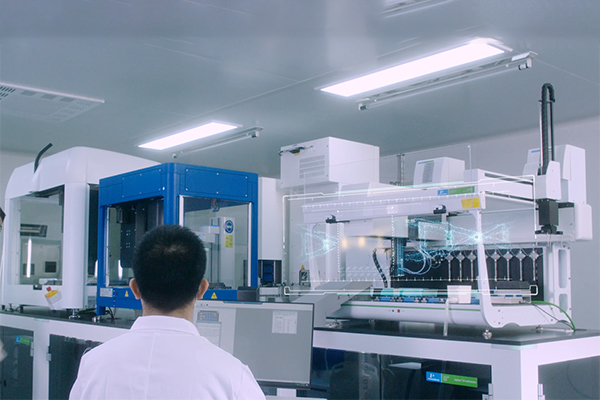
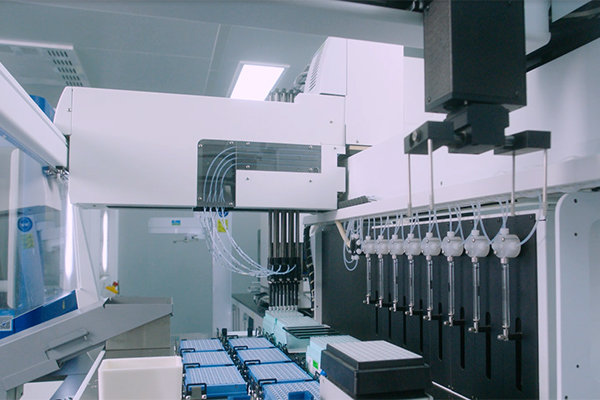
Fully Automated Platform for Next-Generation Sequencing -- Brilliant Lab 1000
Biomarker technologies (BMKGENE) and PerkinElmer have jointly built a fully automated experimental production line, called Brilliant Lab 1000 (BL1000), which is applied to the high-throughput NGS library construction service.
BMKGENE strives to greatly improve the entire line of sequencing products in terms of product types, production line throughput, delivery quality, and cycle time, to provide customers with better sequencing services.
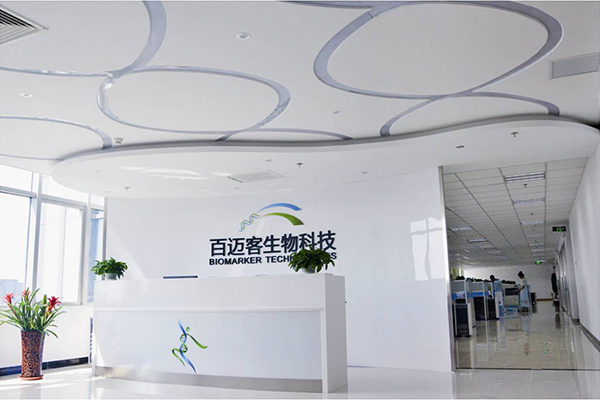
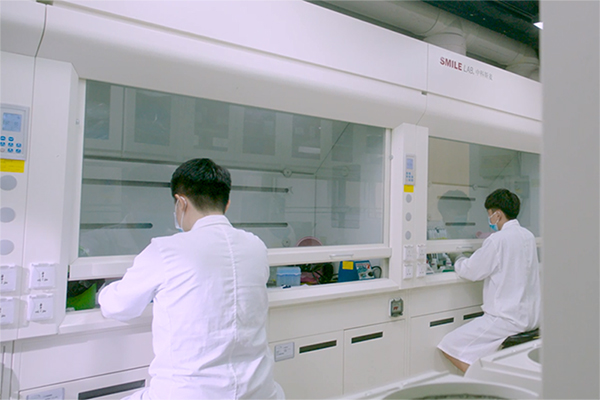
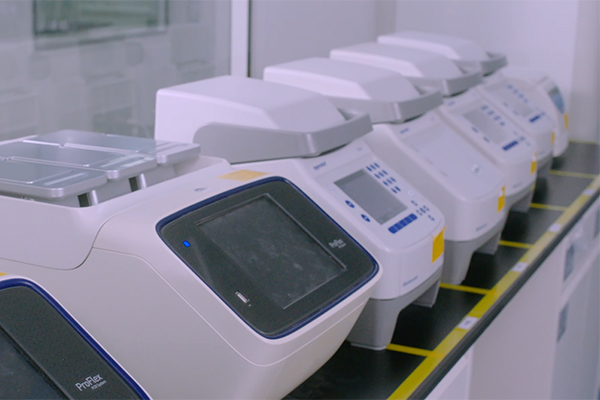
World-Class Infrastructure & Operational Excellence
A glimpse inside our specialized laboratory facilities, clean rooms, and automated precision robotics.



Enterprise Qualifications, ISO Certifications & Patents
Rigorous quality controls, global joint research centers, and international patents supporting cutting-edge life sciences.


Comprehensive Multi-Omics & Proteomic Product Suite
Explore our complete catalog of sequencing solutions, library construction kits, and proteomic profiling workflows available to researchers throughout Mexico City.