Spatial Transcriptomics & Multi-Omics Solutions

Decipher non-coding RNA spatial distribution with high stability and resolution across biological tissue sections.
Learn More →
Map tissue microflora localization and host-microbe spatial interactions in high throughput.
Learn More →
Uncover whole-genome spatial gene expression patterns with precise morphological context preservation.
Learn More →
Profile spatial chromatin accessibility to understand regulatory landscapes driving cell identity.
Learn More →The Commercial Landscape of Spatial Transcriptomics Marketing
The life sciences commercial sector is undergoing a monumental paradigm shift. For over two decades, bulk RNA sequencing and single-cell RNA sequencing (scRNA-seq) served as the primary drivers of genomic discovery. However, standard transcriptomic workflows require cell dissociation, completely destroying the vital structural framework and spatial microenvironment of intact tissue samples. Enter Spatial Transcriptomics—a cutting-edge technological frontier that preserves morphological context while profiling high-throughput gene expression across tissue architectures.
In the context of Spatial Transcriptomics Marketing, biopharma enterprise adoption, academic research institutions, and clinical CROs are rapidly recognizing that spatial resolution is no longer a luxury, but an imperative necessity for translational success. The global spatial biology market is projected to reach several billion dollars by 2030, expanding at a compound annual growth rate (CAGR) exceeding 15%. This surge is propelled by urgent clinical demands in oncology, neurobiology, immunology, and developmental biology for actionable spatial biomarkers, cell-cell communication networks, and targeted drug response maps.
Market Growth & Demand
High demand from global biopharma companies seeking high-definition biomarker validation and spatial cell atlas construction to accelerate preclinical drug pipelines.
Sub-Cellular Resolution
Technological shifts toward nano-chip array densities and microfluidic spatial barcoding allow true single-cell and sub-cellular spatial resolution.
Multi-Omics Convergence
Integration of transcriptomics, epigenomics, and proteomics within spatial tissue slices unlocks multi-dimensional biological intelligence.
Key Market Drivers & Industrial Trends
Commercial marketing strategies for spatial transcriptomics solutions focus heavily on resolving long-standing drug discovery bottlenecks. Traditional target discovery often fails in clinical trials due to heterogeneity within tumor microenvironments (TME) or complex central nervous system (CNS) tissue structures. By combining high-definition tissue imaging with massive high-throughput sequencing data, spatial biology enables drug developers to observe exactly where drug targets are localized, how nearby stromal or immune cells respond, and why drug resistance emerges at specific spatial niches.
Deep-Dive Application Scenarios in Modern Biomedicine
1. Tumor Microenvironment (TME) & Immuno-Oncology
Oncology research represents over 50% of the commercial spatial transcriptomics market. Spatial biology reveals how cancer-associated fibroblasts (CAFs), tumor-infiltrating lymphocytes (TILs), and immunosuppressive myeloid cells are localized relative to malignant cells. By mapping immune checkpoint markers (e.g., PD-1/PD-L1, CTLA-4) within intact tumor slices, translational scientists can predict patient response rates to immunotherapies and discover novel target pairs for bispecific antibodies.
2. Neurobiology & Neurodegenerative Disease Mapping
The human brain is characterized by intricate layered anatomies and cellular heterogeneity. Spatial transcriptomics allows neuroscientists to build high-resolution brain atlases across cortical layers and subcortical nuclei. In neurodegenerative diseases such as Alzheimer's, Parkinson's, and Amyotrophic Lateral Sclerosis (ALS), spatial transcriptomics pinpoints localized transcriptomic dysregulation around amyloid-beta plaques or neurofibrillary tangles, opening new therapeutic avenues for neuroprotection.
3. Mechanism of Action (MoA) & Drug Safety Assessment
Pharmaceutical marketers and clinical R&D teams utilize spatial transcriptomics to elucidate the precise Mechanism of Action (MoA) for candidate molecules. In toxicology studies, spatial expression profiling highlights localized tissue damage in organs such as liver sinusoids or kidney glomeruli, providing early safety signals that minimize late-stage clinical attrition.
4. Agricultural & Plant Biotechnology Innovations
Beyond human health, spatial transcriptomics is transforming plant functional genomics and crop breeding. Mapping gene expression profiles across root nodules, vascular tissues, and leaves helps agricultural scientists understand plant-pathogen interactions, stress response pathways, and developmental dynamics, leading to high-yield, drought-resistant crop engineering.
Biomarker Technologies (BMKGene) Innovation Powerhouse
Biomarker Technologies (BMKGene), founded in 2009, stands as a leading global genomics service provider with over 16 years of continuous innovation in high-throughput sequencing and bioinformatic analysis. Backed by more than 60 national invention patents and 200+ software copyrights, BMKGene delivers comprehensive multi-omics solutions—spanning genomics, metagenomics, epigenetics, single-cell omics, transcriptomics, and our proprietary BMKMANU S3000 spatial transcriptome technology—supported by our advanced BMKCloud bioinformatics platform. We have established long-term collaborations with research organizations across 84 regions worldwide.

Cutting-Edge Sequencing Platforms
PacBio Platforms: Sequel II, Sequel, RSII
Nanopore Platforms: PromethION P48, GridION X5, MinION
10X Genomics: 10X ChromiumX, Controller
Illumina Platforms: NovaSeq
BGI Platforms: DNBSEQ-G400, DNBSEQ-T7
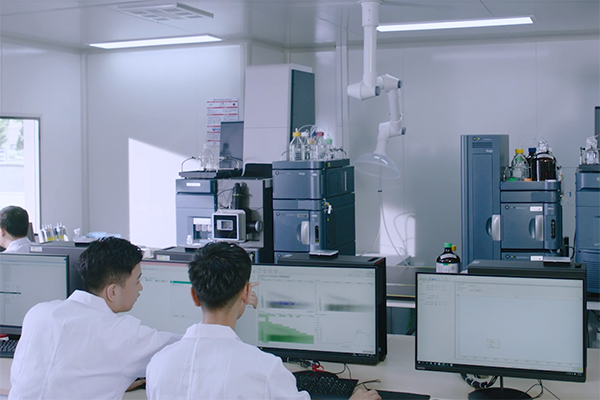
Mass Spectrometry: Waters XEVO G2-XS QTOF, QTRAP 6500+

State-of-the-Art Laboratory Facilities
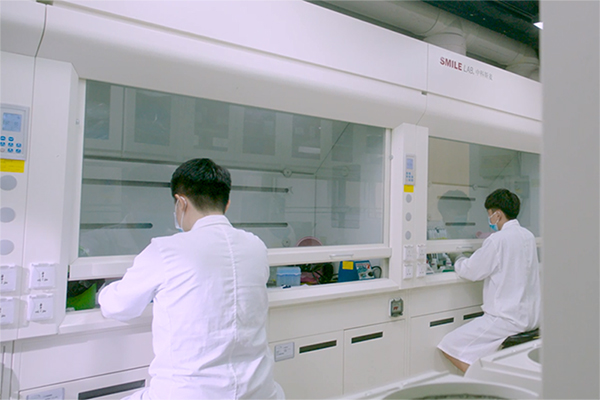
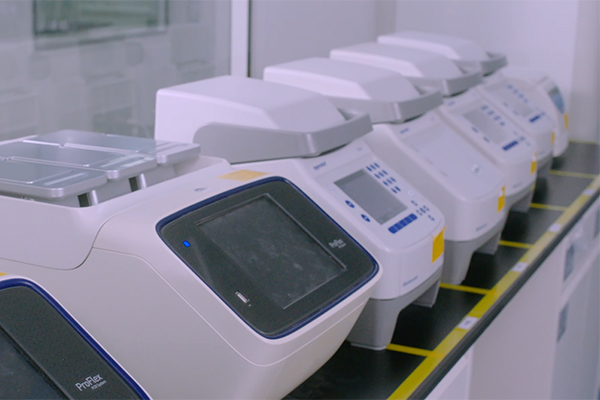
Spanning over 20,000 square feet of standardized molecular biology laboratory space.
Fully equipped clean rooms, sample extraction modules, library preparation labs, and ultra-high-throughput sequencing facilities adhering to strict SOPs and ISO quality controls.

Self-Developed BMKCloud Platform
High-performance bioinformatic cloud platform built for multi-omics and spatial transcriptomics big-data analytics.
Equipped with CPUs with 41,104 memory, 3 PB total storage, and 4,260 computing cores achieving peak power over 121,708.8 GFLOPs/sec.
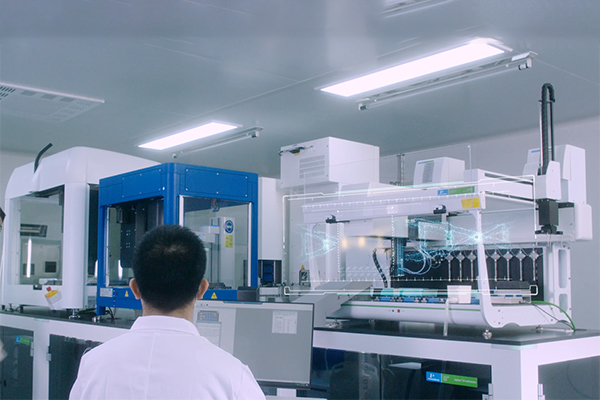
Brilliant Lab 1000 (BL1000) Automated NGS Platform
Biomarker Technologies (BMKGENE) and PerkinElmer have jointly engineered a fully automated experimental production line—Brilliant Lab 1000 (BL1000)—dedicated to ultra-high-throughput NGS library construction and spatial assay execution.
By minimizing human intervention, BMKGENE drastically enhances library delivery quality, shortens turnaround cycles, and maximizes data reproducibility to meet stringent pharmaceutical R&D standards.
World-Class Operational Facilities




Enterprise Qualifications & Intellectual Property