Featured Multi-Omics & Sample Preparation Kits
Integrate cutting-edge spatial transcriptomic mapping with robust molecular profiling, high-fidelity DNA extraction, and multi-kingdom microbial quantification.
 Metabolomics
 Amplicon (16S/18S/ITS)
 TGuide Smart Magnetic Tissue DNA Kit
 TGuide Smart Universal DNA Kit
The Rise of Spatially Resolved Transcriptomics in Los Angeles
Exploring how Southern California's life sciences cluster is leading the fourth industrial revolution in histology, single-cell genomics, and architectural transcriptomics.
The Greater Los Angeles Biotech Corridor
Los Angeles County has emerged as one of the most vibrant biotechnology and biomedical innovation epicenters in the United States. Spanning from the bioscience clusters of Culver City, Pasadena, and Thousand Oaks down to Torrance and the biomedical research centers across Westwood and Downtown LA, the region harbors elite academic medical systems. Flagship centers including UCLA David Geffen School of Medicine, USC Norris Comprehensive Cancer Center, Caltech, Cedars-Sinai Medical Center, and City of Hope are rapidly pivoting toward spatially resolved transcriptomics. By unlocking intact histological context alongside single-cell transcript levels, researchers can now interrogate complex multicellular organizations directly within native microenvironments.
Subcellular Mapping & In Situ Sequencing
Traditional bulk RNA sequencing and single-cell suspension transcriptomics surrender spatial morphological coordinates during cell dissociation. This historical limitation is resolved through spatially resolved transcriptomics, which preserves positional indices across intact formalin-fixed paraffin-embedded (FFPE) and fresh-frozen tissue sections. In the clinical research landscape of Southern California, spatial gene expression platforms empower investigators to resolve tertiary lymphoid structures (TLS), track neurodegenerative synaptic degeneration, decipher complex embryogenesis cascades, and delineate ischemic cardiac tissue remodeling at micron-scale resolution.
AI Bioinformatics & Deep Spatial Mining
As spatial resolution approaches subcellular dimensions, dataset volumes increase exponentially. High-content imagery must merge seamlessly with gigabases of multiplexed sequencing readouts. Companies catering to the Los Angeles market must integrate advanced cloud-native bioinformatics architectures. Through platforms such as BMKCloud, machine learning algorithms and neural network segmentation models conduct unsupervised spatial domain clustering, cellular deconvolution, spatial ligand-receptor interaction tracking, and trajectory inference, giving researchers a comprehensive translational pipeline.
Translational Paradigms: From Oncology to Neurobiology in Los Angeles
In oncology, the Tumor Microenvironment (TME) represents a dynamic ecosystem comprising malignant cells, cancer-associated fibroblasts (CAFs), vascular structures, extracellular matrix, and infiltrating immune populations. In Los Angeles cancer research institutes, spatially resolved transcriptomics has become indispensable for understanding immune checkpoint inhibitor resistance. By mapping PD-1, PD-L1, CTLA-4, and interferon-gamma response signatures across the tumor core versus invasive margins, investigators can determine why select patients fail conventional immunotherapies while others achieve durable remission.
Simultaneously, neuroscience laboratories across Southern California rely heavily on spatial biological coordinates to unravel complex neuronal architectures. In neurodegenerative disorders such as Alzheimer's, Parkinson's, and Amyotrophic Lateral Sclerosis (ALS), pathological hallmarks like amyloid-beta plaques and tau neurofibrillary tangles induce localized cellular stress in adjacent glial cells. Spatially resolved transcriptomics captures this peri-plaque niche transcriptomic cascade without losing spatial orientation, shedding light on microglial activation states and neuroinflammatory signaling cascades.
Biomarker Technologies (BMKGene): Global Multi-Omics Leadership
Pioneering spatial biological platforms, next-generation sequencing, and integrated bioinformatics solutions worldwide.
Biomarker Technologies (BMKGene), founded in 2009, is a leading genomics service provider with over 16 years of continuous innovation in high-throughput sequencing and bioinformatics. Backed by more than 60 national invention patents and 200+ software copyrights, we deliver comprehensive multi-omics solutions—spanning genomics, metagenomics, epigenetics, single-cell omics, transcriptomics, and our proprietary BMKMANU S3000 spatial transcriptome technology—supported by our advanced BMKCloud bioinformatics platform. We have established long-term collaborations with organizations across 84 regions worldwide, providing reliable genomic solutions on a global scale.

Leading Sequencing Platforms
PacBio platforms: Sequel II, Sequel, RSII
Nanopore platforms: PromethION P48, GridION X5 MinION
10X Genomics: 10X ChromiumX, 10X Chromium Controller
Illumina platforms: NovaSeq
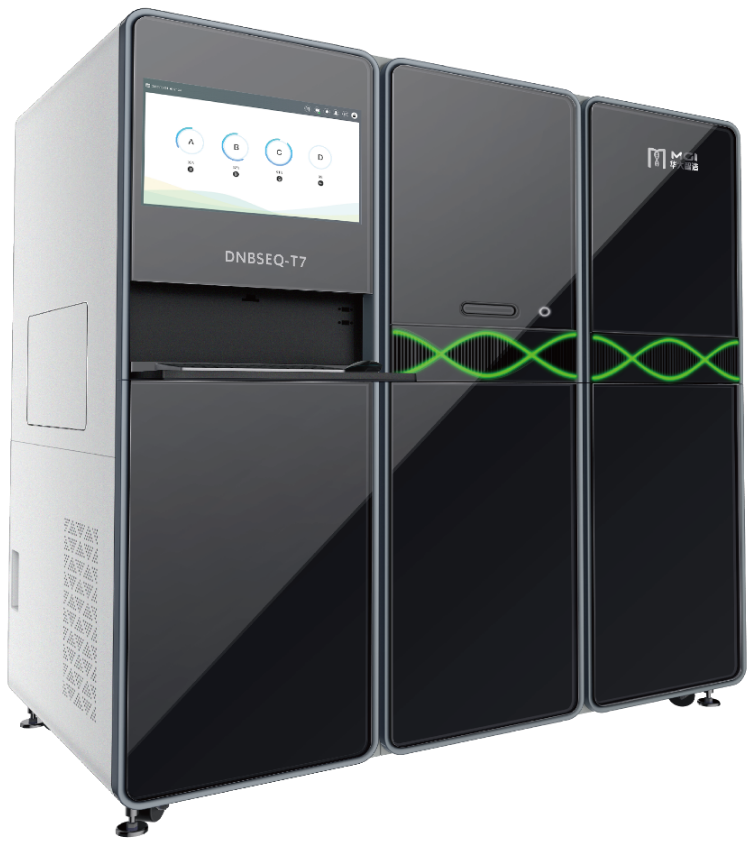
BGI-sequencing platforms: DNBSEQ-G400, DNBSEQ-T7
Bionano Irys system
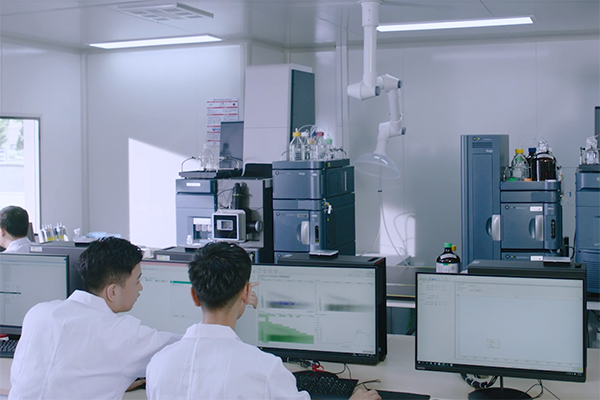
Mass Spectrometry: Waters XEVO G2-XS QTOF, QTRAP 6500+

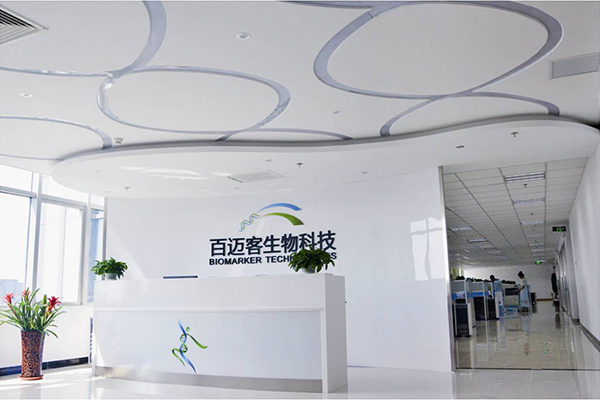
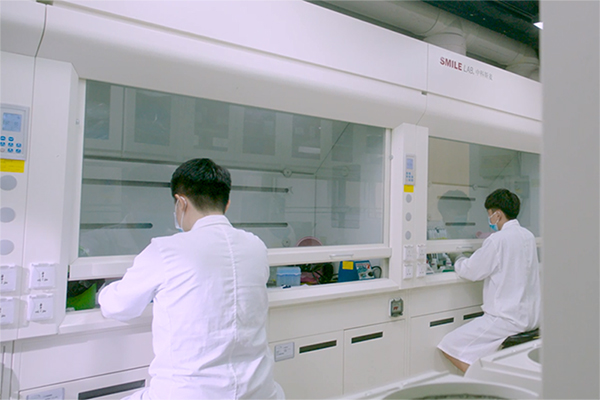
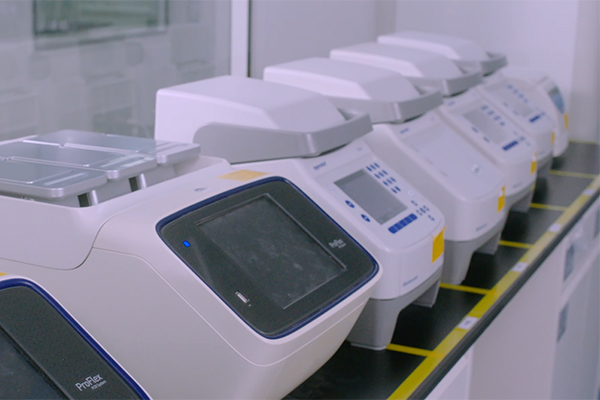
Over 20,000 Square Feet Facility
State-of-the-art biomolecular laboratory instruments.
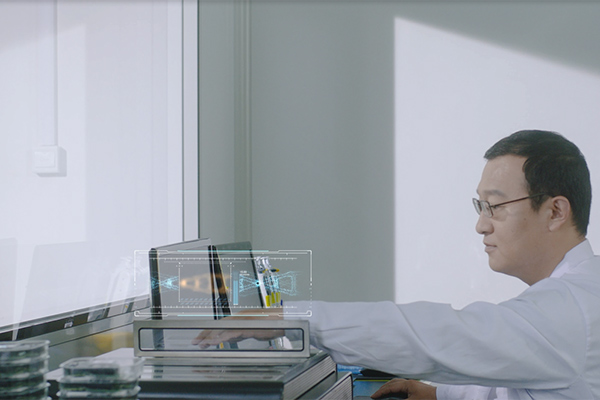
Standardized workflows for spatial sample extraction, high-throughput library construction, certified clean rooms, and mass-scale sequencing suites.
Rigid procedural controls operating under strict Standard Operating Procedures (SOPs) guaranteeing clinical-grade accuracy and reproducibility.

BMKCloud Bioinformatic Supercomputing
Self-developed BMKCloud interactive analytics engine.
Enterprise CPUs equipped with 41,104 memory and over 3 PB of total high-speed storage capacity.
4,260 computing cores delivering peak processing performance surpassing 121,708.8 Gflop per second, accelerating spatial deconvolution pipelines.
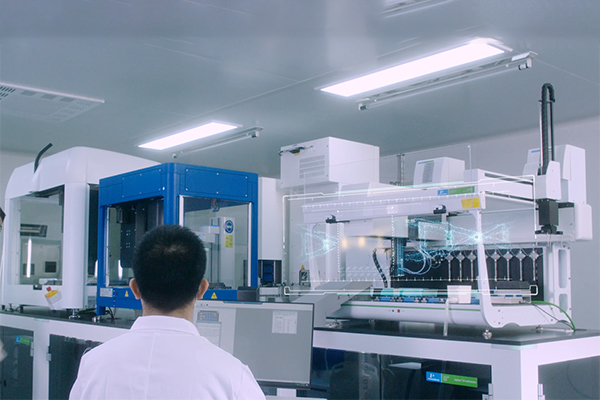
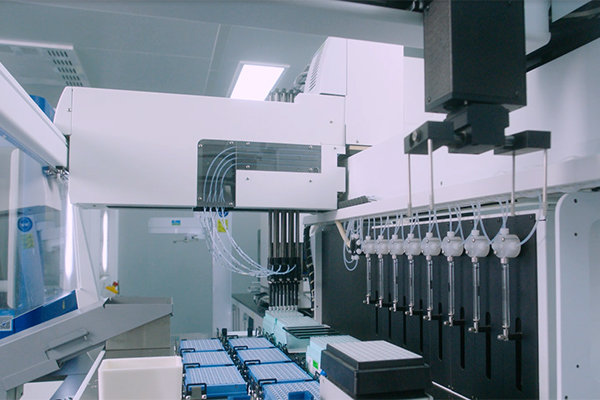
Fully Automated NGS & Spatial Library Pipeline: Brilliant Lab 1000
Transforming high-throughput genomic and transcriptomic library manufacturing in collaboration with PerkinElmer.
Revolutionizing Throughput, Turnaround & Quality
Biomarker Technologies (BMKGENE) and PerkinElmer have jointly engineered a fully automated experimental production line, known as Brilliant Lab 1000 (BL1000), specifically engineered for high-throughput NGS and spatial transcriptomic library construction services.
BMKGENE strives to greatly improve the entire line of sequencing products in terms of product types, production line throughput, delivery quality, and cycle time, to provide customers with better sequencing services across competitive research markets like Los Angeles and beyond.


Local Biotechnology Application Scenarios in Southern California
How our spatial multi-omics matrix supports discovery programs across Los Angeles enterprises and universities.
1. Spatial Immuno-Oncology Biomarker Discovery
Los Angeles is home to groundbreaking clinical trials evaluating bispecific antibodies, CAR-T cell therapeutics, and personalized neoantigen vaccines. By applying spatially resolved transcriptomics to pre- and post-treatment tumor biopsies, translational researchers correlate local cytolytic activity with proximity to tertiary lymphoid structures, identifying predictive spatial gene signatures that inform patient stratification.
2. Spatial Drug Target Validation & Toxicology
Pharmaceutical drug screening platforms leverage spatial expression profiles across toxicologically sensitive organs such as the liver, kidney, and heart. Analyzing tissue architecture reveals on-target/off-tumor effects, hepatotoxicity zones (centrilobular vs. periportal), and nephrovascular tissue changes under investigational therapeutic compounds before entering human trials.
3. Regenerative Medicine & Stem Cell Atlases
With stem cell research institutes in Pasadena and Los Angeles driving tissue regeneration breakthroughs, spatial transcriptomics validates that 3D bioprinted constructs and organoids faithfully mimic endogenous organ structural architectures. Scientists benchmark cell-cell communication networks against native human tissue atlases with spatial accuracy.
Future Trends: Spatial Multi-Omics and High-Dimensional Convergence
The frontier of spatial biology extends beyond RNA localization alone. The next decade will belong to integrated Spatial Multi-Omics—the simultaneous capture of whole transcriptome spatial signatures, spatial metabolomics, epigenomic accessible chromatin (spatial ATAC-seq), and multiplexed immunofluorescence protein detection on a single tissue section. By integrating BMKGene’s proprietary spatial workflows with deep metabolomic profiling and high-throughput Illumina NovaSeq / DNBSEQ-T7 systems, researchers in Los Angeles gain access to unprecedented multi-layered molecular maps.
Enterprise Qualifications & Intellectual Property
Validated by international standards, academic joint workstations, and over 60 invention patents.


Comprehensive Genomic & Transcriptomic Product Portfolio
End-to-end wet-lab kits, automated sequencing libraries, and whole-transcriptome profiling supporting academic and commercial laboratories in Los Angeles.