Specialized Solutions for Low-Input Spatial Profiling
Engineered to support ultra-low picogram input thresholds, in situ spatial capture, and integrated multi-omics downstream workflows.



Industrial & Commercial Landscape of Spot-Based Spatial Omics
Resolving the critical bottleneck where microscopic tissue inputs intersect with high-density array spatial transcriptomics.
1. Evolution from Dissociated Single-Cell to Intact Spatial Resolution
Over the past decade, bulk RNA sequencing and single-cell RNA sequencing (scRNA-seq) have radically upgraded our comprehension of cellular heterogeneity. However, enzymatic or mechanical tissue dissociation removes individual cells from their native extracellular coordinates, erasing critical architectural context such as cell-to-cell signaling gradients, stromal microenvironments, and physical tissue compartmentalization. Spot-based spatial transcriptomics has bridged this gap by immobilizing barcoded oligonucleotides directly beneath histological tissue sections.
Within clinical pathology, translational oncology, and developmental biology, researchers are constantly challenged by minute biological specimens. Needle core biopsies, laser-capture microdissections (LCM), small model embryological niches (such as zebrafish embryos or Drosophila organ disc precursors), and fine floral or root meristems often provide minimal starting total RNA—often well below 10 nanograms. Standard spot-based workflows historically required substantial tissue surface areas and abundant mRNA content to ensure robust cDNA synthesis. Framing an engineering paradigm dedicated specifically to low-input spot-based spatial transcriptomics is now an industrial and clinical necessity.
Key Hurdles in Low-Input Tissue Capture
- Horizontal Lateral Diffusion: Under-permeabilized tissue preserves positional fidelity but suppresses capture yields. Conversely, excessive permeabilization leads to transcript lateral drift across adjacent spots, degrading spatial sharpness.
- Linear Yield vs. Amplification Artifacts: With scarce target mRNA, standard reverse transcription (RT) yields can be insufficient, compelling laboratories to over-amplify libraries and causing high duplicate rates and skewing biological differential gene expression.
- Degraded Clinical Archival Blocks (FFPE): Archival formalin-fixed paraffin-embedded tissue blocks frequently possess low DV200 scores (<30-50%), where crosslinking and fragmentation impede conventional poly-A priming efficiency.
Optimized Spot Micro-Arrays
High-density capture arrays utilizing sub-micron to 50µm spot geometry loaded with millions of unique spatial barcodes, integrated with optimized oligo-dT and random hexamer chemistries to maximize capture kinetics from sparse cellular inputs.
Active In Situ RT Chemistry
Engineered enzymatic cocktails designed for ultra-low amounts of mRNA, reducing transcript leakage while driving superior reverse transcription conversion efficiencies under gentle reaction parameters.
AI-Aided Deconvolution
Advanced algorithmic frameworks on BMKCloud mapping spot-level transcriptomic reads against single-cell reference atlases to resolve multi-cell mixing down to single-cell sub-populations.
2. Solution Framing: Technical Architecture for Low-Input Samples
Framing a viable solution for low-input spatial transcriptomics demands a holistic pipeline that spans from surgical cryo-sectioning/paraffin ribbon preparation to sequencing library synthesis and spatial bioinformatic registration. The BMKMANU S3000 Spatial Transcriptome platform delivers an integrated standard operating procedure specifically tailored for micro-scale and low-input tissues.
Micro-Sectioning and In Situ Permeabilization Calibration
Tissue preservation requires stringent temperature-controlled sectioning (typically 5–10 µm thickness). For scarce tissue sections, morphological integrity is verified via rapid, low-toxicity fluorescent staining or high-resolution brightfield microscopy prior to enzymatic digestion. Permeabilization timing must be calibrated per tissue type using spatial footprint time-courses. This prevents tissue over-digestion and preserves spatial barcoding integrity, ensuring that low concentrations of cytoplasmic and nuclear RNA are released directly into the planar capture zone.
High-Efficiency Molecular Barcoding and Library Synthesis
The capture slide contains millions of spatially indexed spots. Each spot features primers comprised of a partial sequencing handle, a unique spatial barcode denoting distinct X-Y coordinates, a Unique Molecular Identifier (UMI) to eliminate PCR duplicate bias, and an optimized functional capture moiety. In degraded or low-input protocols, specialized chimeric primers allow hybridization to internal mRNA fragments, salvaging partially degraded transcripts common in clinical FFPE samples.
Ultra-Low Input Sensitivity
Detects reproducible spatial gene profiles from tissue areas as compact as 1-2 mm² and sub-nanogram total RNA inputs without dropouts.
Superior Spatial Fidelity
Spatial barcoded spots with strictly tuned permeabilization restrict transcript lateral drift to less than 1/4 spot radius.
Automated Library Construction
Integrated with our Brilliant Lab 1000 automated high-throughput platform to minimize manual handling variance across tiny samples.
3. Deep Application Scenarios in Industrial & Academic Research
By solving the low-input bottleneck in spot-based spatial transcriptomics, laboratories unlock clinical and foundational investigations that were previously unfeasible due to sample mass limitations.
Precision Oncology & Tumor Microenvironment (TME) Mapping
Core needle biopsies from primary or metastatic tumor lesions (e.g., pancreatic ductal adenocarcinoma, lung adenocarcinoma, or glioblastoma) yield miniscule specimen quantities. Low-input spatial transcriptomics allows clinicians and pharma developers to map immune infiltration, tertiary lymphoid structures (TLS), checkpoint inhibitor expression (PD-1/PD-L1, CTLA-4), and drug-tolerant persister cells while retaining spatial proximity to adjacent vascular or necrotic zones.
Neurobiology & Stereotactic Brain Nuclei
Neural circuits and discrete functional nuclei in murine or human post-mortem specimens are restricted to tight stereotactic boundaries. Low-input spatial profiling captures deep transcriptomic profiles across tiny structures (such as the suprachiasmatic nucleus, habenula, or specific cortical laminae) without cross-contamination from adjacent white matter tracts.
Embryology & Developmental Organogenesis
Early-stage embryonic structures, organoid morphogenesis models, and pre-implantation tissues harbor nominal total RNA. The BMKMANU S3000 platform captures transient gene expression cascades, axis patterning networks, and fate commitment cues within micro-scale embryos without requiring pooling of disparate biological specimens.
Agrigenomics & Recalcitrant Botanical Tissues
Plant tissues pose significant extraction challenges due to secondary metabolites, rigid cell walls, and vacuolar ribonucleases. Fragile root tips, cambium stem cell layers, shoot apical meristems, and symbiotic root nodules represent tiny physical volumes. Our customized low-input permeabilization solutions effectively penetrate thick plant cell walls while capturing rare developmental transcripts.
Biomarker Technologies (BMKGene) Global Capacity
Biomarker Technologies (BMKGene), founded in 2009, is a leading genomics service provider with over 16 years of continuous innovation in high-throughput sequencing and bioinformatics. Backed by more than 60 national invention patents and 200+ software copyrights, we deliver comprehensive multi-omics solutions—spanning genomics, metagenomics, epigenetics, single-cell omics, transcriptomics, and our proprietary BMKMANU S3000 spatial transcriptome technology—supported by our advanced BMKCloud bioinformatics platform. We have established long-term collaborations with organizations across 84 regions worldwide, providing reliable genomic solutions on a global scale.
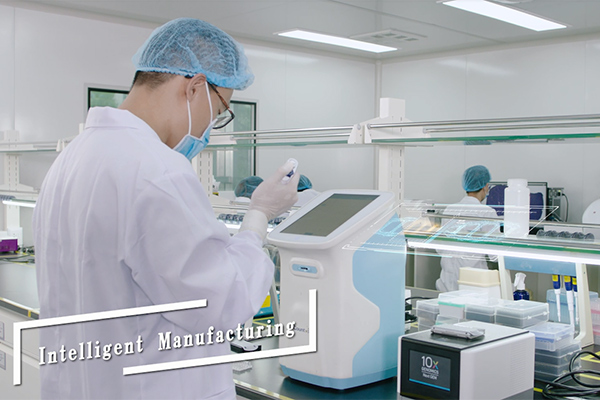
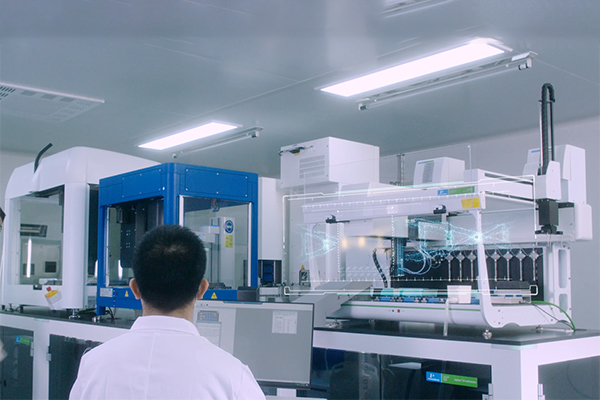
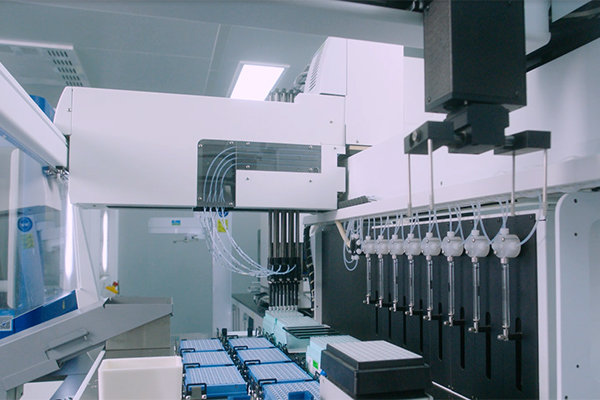
Fully Automated Platform for Next-generation sequencing--Brilliant Lab 1000
Biomarker technologies (BMKGENE) and PerkinElmer have jointly built a fully automated experimental production line, called Brilliant Lab 1000 (BL1000), which is applied to the high-throughput NGS library construction service.
BMKGENE strives to greatly improve the entire line of sequencing products in terms of product types, production line throughput, delivery quality, and cycle time, to provide customers with better sequencing services.
Our Multi-Level High-Throughput Platforms

Multi-Level Sequencing Fleet
PacBio platforms: Sequel II, Sequel, RSII
Nanopore platforms: PromethION P48, GridION X5 MinION
10X Genomics: 10X ChromiumX, 10X Chromium Controller
Illumina platforms: NovaSeq
BGI-sequencing platforms: DNBSEQ-G400, DNBSEQ-T7
Bionano Irys system
Waters XEVO G2-XS QTOF
QTRAP 6500+

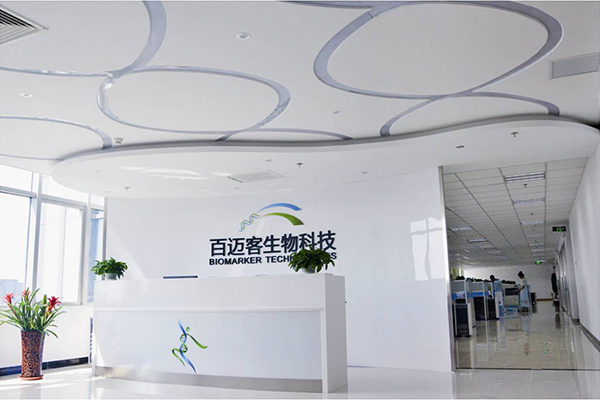
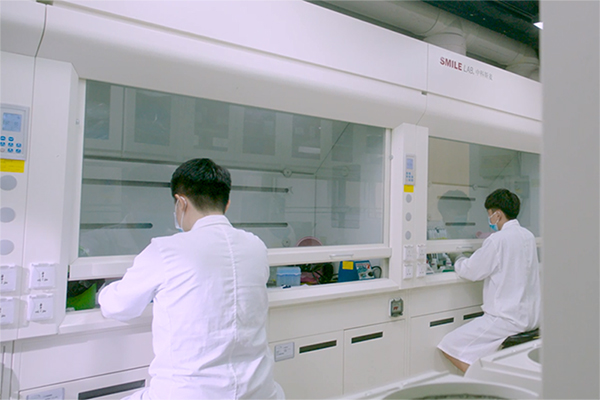
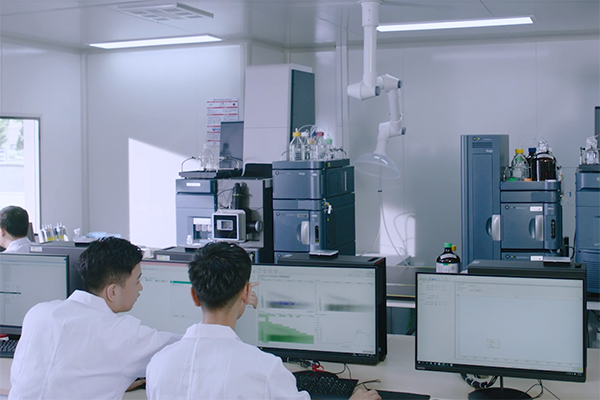
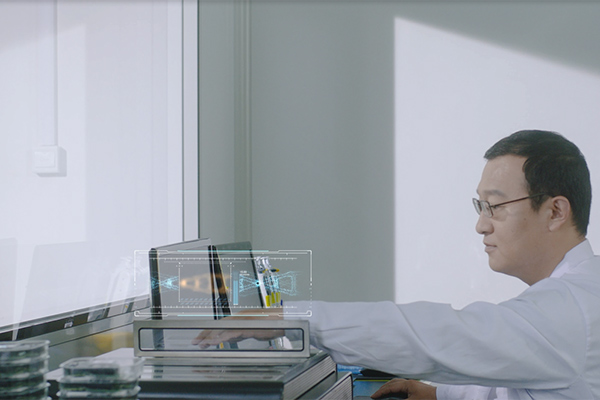
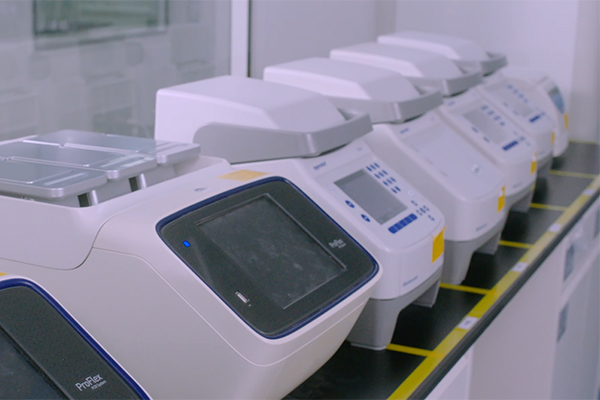
Over 20,000 Sq. Ft. Molecular Labs
Advanced biomolecular laboratory instruments.
Standard labs of sample extraction, library construction, clean rooms, sequencing labs.
Standard procedures from sample extraction to sequencing under strict SOPs.

BMKCloud Bioinformatic Computing
Self-developed BMKCloud platform.
CPUs with 41,104 memory and 3 PB total storage.
4,260 computing cores with peak computing power over 121,708.8 Gflop per second.
Advanced Industrial Facilities & Laboratories

Enterprise Qualifications, Certifications & Patents
BMKGene maintains the highest benchmarks for laboratory safety, genomic data integrity, and precision molecular diagnostics. Our proprietary software and patent portfolio underscore our continuous dedication to breakthrough multi-omics development.


Complete Multi-Omics & Spatial Sequencing Ecosystem
From spatial transcriptomics and chromatin conformation to metagenomics and high-efficiency purification kits—delivering end-to-end scientific precision.