Featured High-Throughput Sequencing Products
Explore our core genomic platforms designed to fulfill diverse research and industrial applications worldwide.


Industry Landscape & Commercial Status of Spot-Based Spatial Transcriptomics
Unlocking Morphological Gene Expression Architecture for Next-Generation Precision Medicine and Agricultural Research
In the rapidly evolving domain of functional genomics, Spot-Based Spatial Transcriptomics has emerged as a monumental breakthrough, filling the critical gap left by traditional bulk RNA sequencing (bulk RNA-seq) and single-cell RNA sequencing (scRNA-seq). While scRNA-seq empowers researchers to profiling transcriptional landscapes at single-cell resolution, the enzymatic tissue dissociation process inevitably leads to the complete loss of spatial context, histological architecture, and cell-to-cell microenvironmental interaction networks. Spot-based spatial transcriptomics overcomes this paradigm constraint by capturing whole-transcriptome messenger RNA (mRNA) directly from intact tissue sections onto spatially barcoded arrays, anchoring gene expression profiles precisely to their original anatomical microdomains.
Intact Spatial Context
Preserves native tissue morphology while simultaneously quantifying gene expression across thousands of barcoded capture spots per sample slide.
High-Throughput Profiling
Enables full transcriptome profiling across solid tumors, neural tissue, plant organs, and complex organoids with high sensitivity and capture efficiency.
AI-Driven Bio-Analytics
Integrates high-resolution histological images (H&E or Immunofluorescence) with expression matrices using automated cloud bioinformatics pipelines.
Proprietary Spatial Innovation: BMKMANU S3000
Biomarker Technologies (BMKGene) has advanced spatial research with our proprietary BMKMANU S3000 spatial transcriptome technology. Utilizing optimized chip surface chemistry, microscopic spatial spot arrangement, and high-efficiency reverse transcription reagents, BMKMANU S3000 achieves exceptional mRNA capture sensitivity and high spatial resolution. Integrated seamlessly with our BMKCloud computational platform, scientists can effortlessly map cellular niches, cell-cell communication networks, and localized biomarker signatures across mammalian and plant tissues alike.
Commercial Dynamics & Global Market Growth Trends
The commercial market for spatial biology services is undergoing exponential growth. Driven by biopharmaceutical research, translational oncology, and agro-biotechnology, the demand for spot-based spatial sequencing service providers has shifted from basic exploratory academic studies to standardized, large-cohort commercial workflows. Contract Research Organizations (CROs) and sequencing service partners are now required to deliver end-to-end reliability: from strict cryosectioning and quality-controlled tissue permeabilization to automated library prep, deep Next-Generation Sequencing (NGS), and interactive bioinformatic reporting.
Key market growth drivers include:
- Oncology & Immuno-Oncology Pipeline Expansion: Characterizing Tumor Microenvironment (TME) heterogeneity, tertiary lymphoid structures (TLS), tumor infiltrating lymphocytes (TILs), and spatial immune checkpoint expression to predict patient responses to immunotherapy.
- Neuroscience Brain Mapping Initiatives: Profiling regional brain architecture, neurodegenerative lesion boundaries (such as Alzheimer's amyloid plaques and Parkinson's alpha-synuclein pathology), and spatial dynamics of neural cell subtypes.
- Biopharmaceutical Target Discovery: Identification of cell-surface spatial biomarkers and localized target pathways for antibody-drug conjugates (ADCs) and cell therapies.
- Plant & Crop Functional Genomics: Resolving spatial gene expression in rigid plant cell wall tissues, root-microbe symbioses, and stress-response vascular zones without challenging protoplasting steps.
Comprehensive Application Scenarios for Spatial Sequencing Services
From Immuno-Oncology Niche Mapping to Agricultural Biotechnology
1. Tumor Microenvironment & Immuno-Oncology
Tumors are not homogenous masses; they are complex ecosystems comprising malignant cells, immune infiltrates, stromal fibroblasts, and vascular elements. Spot-based spatial transcriptomics allows clinicians and researchers to map the spatial gradients of cytokines, chemokines, and exhaustion markers. By overlaying transcriptomic data directly onto H&E-stained tissue sections, researchers can pinpoint spatial biomarkers that govern immune evasion and drug resistance.
2. Neurobiology & Neuropathology
The central nervous system possesses intricate anatomical compartmentalization. Spatial transcriptome sequencing facilitates high-resolution mapping of distinct cortical layers, hippocampal subfields, and spinal cord tracks. In neurodegenerative disease research, spot-based capture illuminates how glial activation and neuroinflammation aggregate around pathological plaques, offering novel insights into neuroprotective target discovery.
3. Plant & Agricultural Functional Genomics
Plant tissues, characterized by thick cell walls and high vacuolar chemical interference, have historically posed severe challenges for single-cell isolation. Spot-based spatial transcriptomics bypasses protoplasting stress. Researchers can study leaf developmental trajectories, stem vascular differentiation, fruit ripening pathways, and host-pathogen interactions directly within preserved plant organ sections.
4. Translational Pathology & Biomarker Validation
By bridging standard clinical histology with multi-omics genomics, spot-based spatial transcriptomics transforms archived fresh-frozen (FF) and formalin-fixed paraffin-embedded (FFPE) tissue biopsies into multi-dimensional biological data. This provides clinical trials with unprecedented predictive power for biomarker validation, patient stratification, and drug toxicity monitoring.
About Biomarker Technologies (BMKGene)
Over 16 Years of Global Innovation in High-Throughput Sequencing & Bioinformatics
Biomarker Technologies (BMKGene), founded in 2009, is a leading genomics service provider with over 16 years of continuous innovation in high-throughput sequencing and bioinformatics. Backed by more than 60 national invention patents and 200+ software copyrights, we deliver comprehensive multi-omics solutions—spanning genomics, metagenomics, epigenetics, single-cell omics, transcriptomics, and our proprietary BMKMANU S3000 spatial transcriptome technology—supported by our advanced BMKCloud bioinformatics platform. We have established long-term collaborations with organizations across 84 regions worldwide, providing reliable genomic solutions on a global scale.
Our World-Class Sequencing & Analytical Platforms

Leading Multi-Level Platforms
PacBio platforms: Sequel II, Sequel, RSII
Nanopore platforms: PromethION P48, GridION X5 MinION
10X Genomics: 10X ChromiumX, 10X Chromium Controller
Illumina platforms: NovaSeq
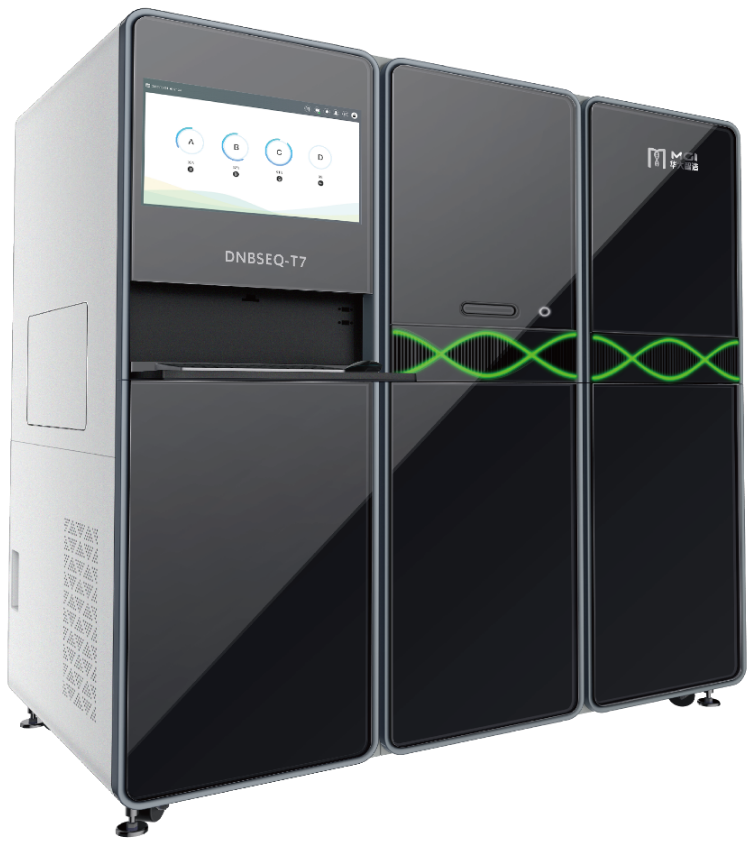
BGI-sequencing platforms: DNBSEQ-G400, DNBSEQ-T7
Bionano Irys system
Waters XEVO G2-XS QTOF
QTRAP 6500+

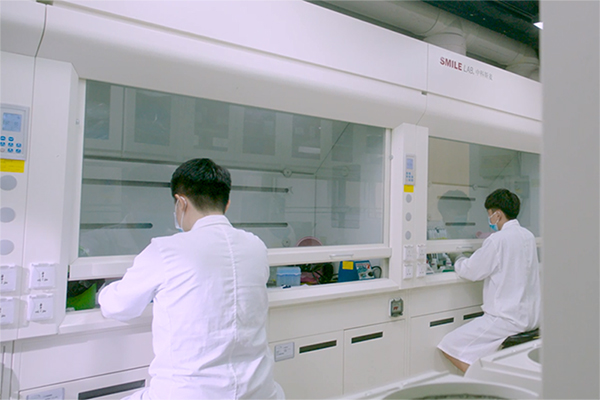
Over 20,000 Square Feet Facility
Advanced biomolecular laboratory instruments.
Standardized operational labs for sample extraction, automated library construction, clean rooms, and high-throughput sequencing suites.
Standard operating procedures (SOPs) enforced strictly from initial sample extraction through sequencing quality checks.

BMKCloud Bioinformatics Platform
Self-developed, intuitive online bioinformatics analysis platform.
High-performance computing architecture featuring CPUs with 41,104 memory and 3 PB total storage.
4,260 computing cores delivering peak computing capacity exceeding 121,708.8 Gflop per second.
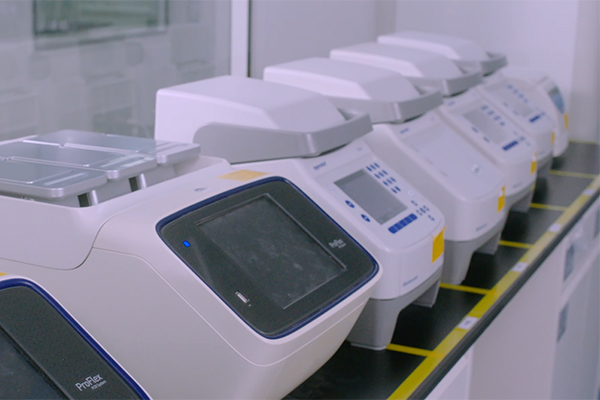
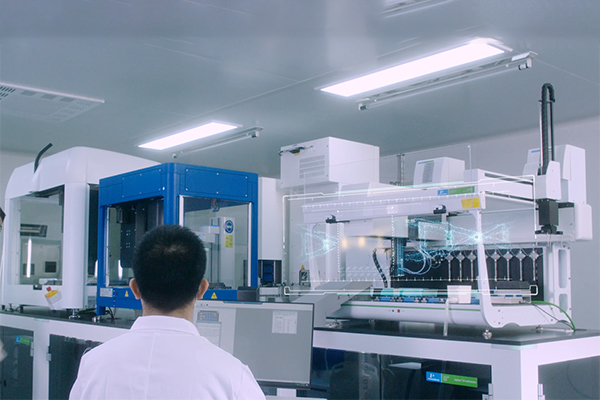
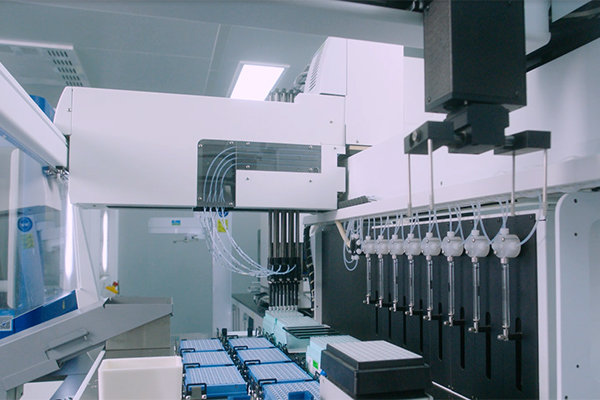
Fully Automated Platform for Next-Generation Sequencing — Brilliant Lab 1000
Biomarker Technologies (BMKGENE) and PerkinElmer have jointly built a fully automated experimental production line, called Brilliant Lab 1000 (BL1000), which is applied to high-throughput NGS library construction services.
BMKGENE strives to greatly improve the entire line of sequencing products in terms of product diversity, production throughput, delivery consistency, and turn-around time (TAT), providing global customers with unparalleled sequencing efficiency and quality assurance.
State-of-the-Art Smart Factory & Automated Infrastructure





Enterprise Qualifications & Intellectual Property Portfolio
Certified Quality Excellence, National Honor Stations, and Innovation Patents
Explore Official Enterprise Qualifications


ISO Quality Certifications & Core Patents


Complete Portfolio of BMKGene Sequencing Products
Explore our end-to-end multi-omics and next-generation sequencing solutions designed for academic and commercial success.