Essential Sequencing & Spatial Solutions
Explore our flagship high-throughput platforms and sequencing pipelines powering academic, clinical, and industrial research in Houston.
Spot-Based Spatial Transcriptomics: Revolutionizing Houston’s Life Science Ecosystem
Houston, Texas has rapidly solidified its standing as one of the world's most influential biotechnology and life science corridors. Anchored by the Texas Medical Center (TMC)—the largest medical complex in the world comprising premier institutions such as the MD Anderson Cancer Center, Baylor College of Medicine, Houston Methodist Research Institute, and UTHealth Houston—the demand for next-generation spatial multi-omics solutions is experiencing unprecedented expansion. Among these advancements, spot-based spatial transcriptomics has emerged as the definitive bridge connecting traditional histology with high-depth RNA sequencing.
Traditional bulk RNA sequencing averages out the intricate gene expression variations of heterogeneous tissues, while single-cell RNA sequencing (scRNA-seq) discards crucial spatial coordinates during tissue dissociation. Spot-based spatial transcriptomics overcomes these limitations by capturing total mRNA directly from intact tissue sections onto arrayed, barcoded capture spots. By retaining morphological context alongside quantitative gene expression data, researchers across Houston are uncovering previously inaccessible insights into the tumor microenvironment (TME), neurodegenerative pathology, cardiovascular remodeling, and developmental biology.
High-Resolution Spot Arrays
Proprietary spatial barcoding chips capture transcriptome profiles with micro-scale spot resolution, aligning mRNA reads precisely with brightfield and immunofluorescence histology images.
FFPE & Fresh Frozen Versatility
Robust chemistry protocols optimized for both clinical archive Formalin-Fixed Paraffin-Embedded (FFPE) specimens and fresh frozen blocks, maximizing utility for Houston biobanks.
Automated BMKCloud Analytics
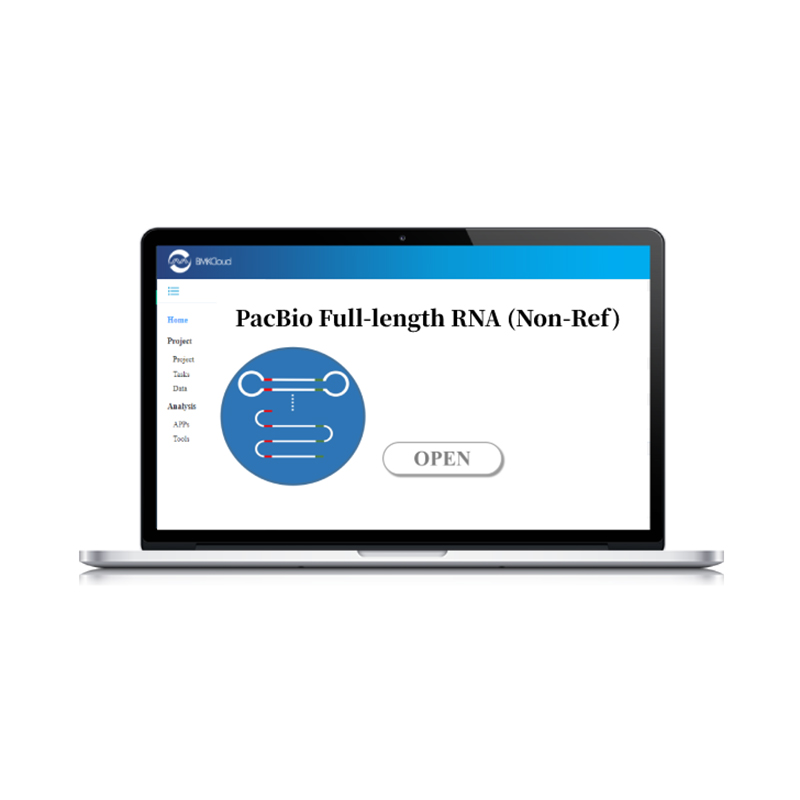
Cloud-native bioinformatics featuring automated spatial clustering, cell-type deconvolution, ligand-receptor cell communication, and interactive 3D spatial tissue visualization.
Commercial and Industrial Trends in Houston’s Spatial Omics Market
The biomedical industry in Houston is undergoing a profound paradigm shift. The rapid expansion of innovation districts like TMC Helix Park (TMC3) and Levit Green has created a fertile environment where venture-backed biotechnology startups, global pharmaceutical enterprises, and academic powerhouses converge. Within this bustling ecosystem, the adoption of spot-based spatial transcriptomics is accelerating due to three major market drivers:
- Translational Oncology & Immuno-Therapeutics: As home to world-renowned cancer treatment centers, Houston researchers leverage spot-based spatial transcriptomics to dissect the immune evasion mechanisms of solid tumors, characterize tertiary lymphoid structures (TLS), and assess biomarker distribution before and after immune checkpoint blockade therapy.
- Biomarker Discovery & Clinical Trial Optimization: Contract Research Organizations (CROs) and biotech enterprises located across the Gulf Coast region are actively incorporating spatial transcriptomic endpoints into Phase I/II clinical trials to evaluate drug penetrance and localized tissue response at spot resolution.
- Integration of Multi-Omics with AI Diagnostics: The convergence of high-throughput sequencing with spatial artificial intelligence allows Houston investigators to predict patient survival, recurrence risks, and therapeutic sensitivity directly from digital spatial pathology overlays.
Local Houston Collaboration Highlight: Our specialized spatial transcriptomics workflows support translational pipelines across TMC institutions, offering comprehensive support from permeabilization optimization to high-density sequencing and publication-ready bioinformatic reporting.
Key Local Application Scenarios
1. Tumor Microenvironment & Spatial Heterogeneity: Mapping immune cell infiltration, exhaustion markers, and tumor-stroma boundaries in difficult-to-treat cancers such as glioblastoma, pancreatic ductal adenocarcinoma, and triple-negative breast cancer.
2. Neurobiology & Degenerative Disorders: Profiling regional gene expression in brain tissues to explore synaptic loss, amyloid plaque-associated microglial responses, and spatial transcriptomic signatures of Alzheimer's and Parkinson's disease.
3. Cardiovascular & Fibrotic Remodeling: Investigating spatial gene expression patterns across ischemic myocardial zones, vascular lesions, and pulmonary fibrosis, facilitating targeted drug design at institutions like the Texas Heart Institute.
Spot-Based Spatial Transcriptome Quotes: Factors Influencing Cost & Pricing in Houston
Obtaining an accurate quote for spatial transcriptomics services requires evaluating several scientific and logistical parameters. BMKGene provides competitive, transparent, and scalable quotation models designed to accommodate both individual academic grant budgets and large-scale pharmaceutical cohort studies. When requesting a quote for your Houston-based project, the following factors determine project scope and investment:
- Sample Preparation & Tissue Architecture: Tissue type (Fresh Frozen vs. FFPE), tissue block quality (DV200 / RIN scores), and preliminary tissue optimization requirements (e.g., permeabilization time testing to prevent transcript diffusion).
- Capture Area & Chip Specifications: Selection of capture area dimensions (e.g., standard 6.5mm x 6.5mm, expanded 11mm x 11mm chips, or high-throughput multi-section array slides) to match the morphological profile of your tissue sections.
- Sequencing Depth & Coverage: Recommended raw sequencing read depth (typically 50,000 to 100,000 read pairs per tissue-covered spot) tailored to detection sensitivity requirements for low-abundance transcription factors or non-coding RNAs.
- Bioinformatics Pipeline Customization: Standard data processing (QC, spot alignment, spatial clustering, differential expression) versus customized bioinformatics (single-cell deconvolution, spatial trajectory analysis, spatial ligand-receptor interaction modeling, and BMKCloud enterprise workspace access).
By leveraging our proprietary Brilliant Lab 1000 automated production line and self-developed BMKMANU S3000 spatial transcriptome technology, we significantly reduce operational overhead, delivering premium data quality with shorter turnaround times and lower per-sample costs for Houston researchers.
Biomarker Technologies (BMKGene) Enterprise Strength
Biomarker Technologies (BMKGene), founded in 2009, is a leading genomics service provider with over 16 years of continuous innovation in high-throughput sequencing and bioinformatics. Backed by more than 60 national invention patents and 200+ software copyrights, we deliver comprehensive multi-omics solutions—spanning genomics, metagenomics, epigenetics, single-cell omics, transcriptomics, and our proprietary BMKMANU S3000 spatial transcriptome technology—supported by our advanced BMKCloud bioinformatics platform. We have established long-term collaborations with organizations across 84 regions worldwide, providing reliable genomic solutions on a global scale.
Our Multi-Level Sequencing & Omics Platforms

Cutting-Edge Sequencing Systems
PacBio platforms: Sequel II, Sequel, RSII
Nanopore platforms: PromethION P48, GridION X5, MinION
10X Genomics: 10X ChromiumX, 10X Chromium Controller
Illumina platforms: NovaSeq Series
BGI-sequencing: DNBSEQ-G400, DNBSEQ-T7
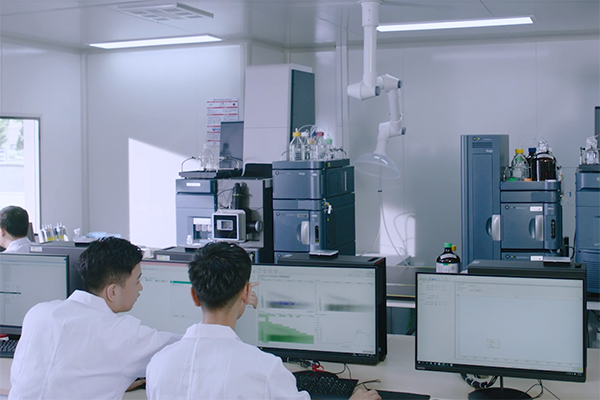
Bionano Irys & Mass Spectrometry: Waters XEVO G2-XS QTOF, QTRAP 6500+

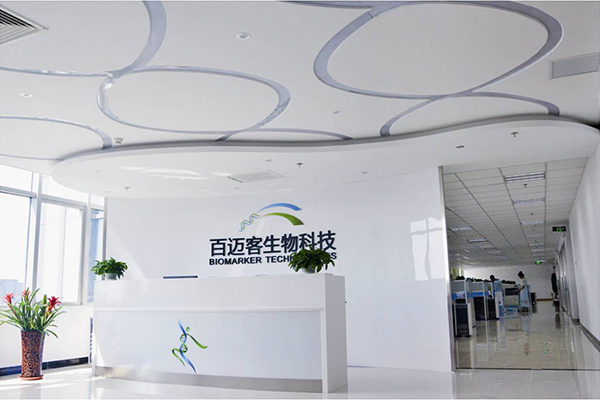
Over 20,000 Square Feet Laboratory
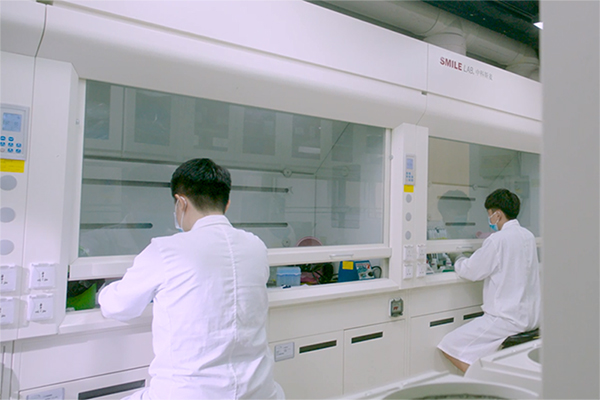
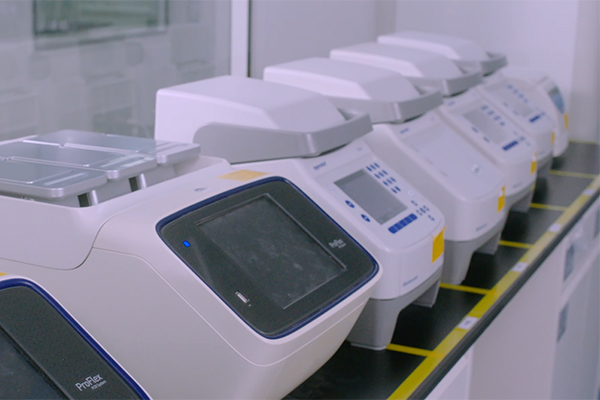
Advanced biomolecular laboratory instruments
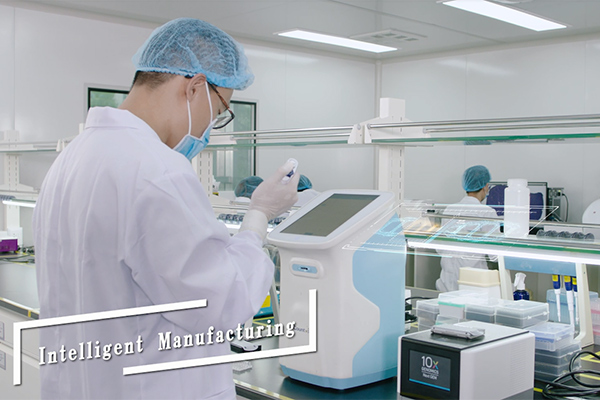
Standard labs of sample extraction, library construction, clean rooms, and sequencing suites
Standard procedures from sample extraction to sequencing under strict SOPs and ISO quality controls

Reliable On-line Bioinformatic Cloud
Self-developed BMKCloud platform
High-performance CPUs with 41,104 memory and 3 PB total storage capacity
4,260 computing cores with peak computing power over 121,708.8 Gflop per second
Fully Automated NGS & Spatial Library Construction
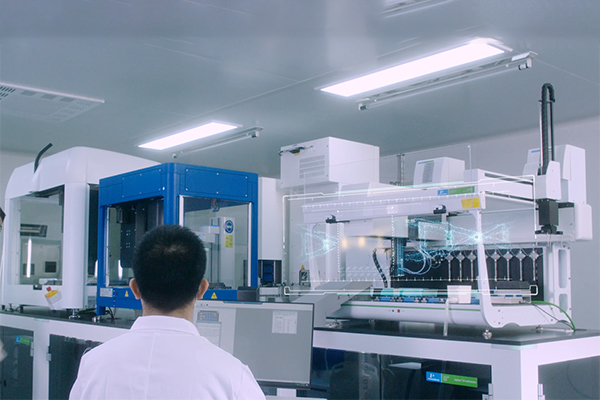
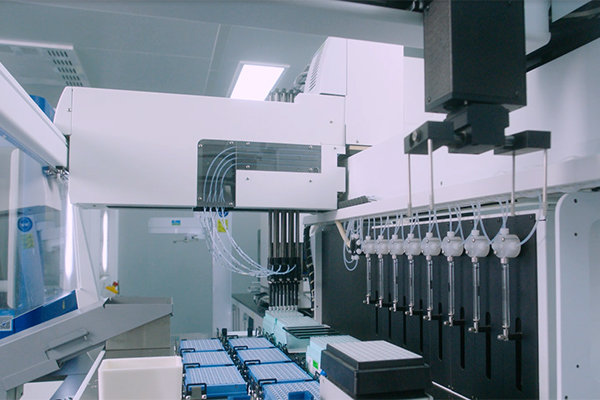
Fully Automated Platform for Next-Generation Sequencing — Brilliant Lab 1000
Biomarker Technologies (BMKGENE) and PerkinElmer have jointly built a fully automated experimental production line, called Brilliant Lab 1000 (BL1000), which is applied to the high-throughput NGS library construction service.
BMKGENE strives to greatly improve the entire line of sequencing products in terms of product types, production line throughput, delivery quality, and cycle time, to provide customers with better sequencing services across global and regional research centers.
Smart Laboratory Facilities


Enterprise Qualifications, Patents & Certifications
BMKGene operates under rigorous international quality standards, backed by robust academic partnerships and proprietary patented methodologies.


All Genomic & Spatial Sequencing Products
Integrate spot-based spatial transcriptomics with our full spectrum of whole-genome, epigenomic, transcriptomic, and proteomic services.