
Core Stranded Multi-Omic Integration Modules
Empowering multidimensional systems biology by coupling directional transcriptomics with non-coding RNA profiling, full-length isoform validation, proteomics, and metabolic flux analysis.

Complement stranded mRNA quantification with circular non-coding RNA profiles to untangle regulatory sponge mechanisms.
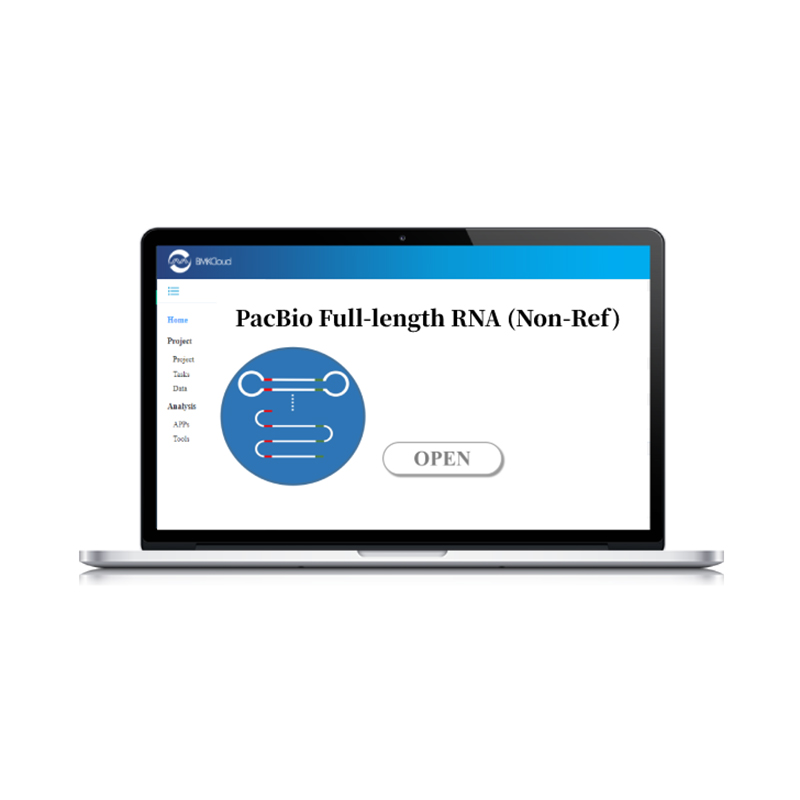
High-fidelity full-length amplicon and isoform sequencing resolving complex poly(A) site variants and alternative splicing.

Direct correlation of strand-resolved transcript copies with quantitative mass spectrometry for unified proteogenomic discovery.

Connect transcript expression changes to downstream biochemical end-points, metabolites, and functional phenotypic shifts.
The Strategic Foundation of Stranded mRNA-Seq in Modern Multi-Omics
Next-generation sequencing has evolved from merely cataloging static base pairs to decoding the spatial, temporal, and strand-specific complexities of cellular transcription. In conventional (unstranded) RNA-Seq, reverse transcription erases information regarding which of the two genomic DNA strands served as the template. This creates a critical blind spot in multi-omics frameworks where regulatory precision is paramount.
Stranded mRNA-Seq (also termed directional RNA-Seq) overcomes this limitation through the dUTP second-strand marking method. By incorporating deoxyuridine triphosphate during complementary strand synthesis and subsequently degrading it via Uracil-DNA Glycosylase (UDG/UNG) prior to PCR amplification, only the cDNA strand representing the original orientation is sequenced. This enables:
- Accurate Antisense RNA Annotation: Disentangling sense transcripts from overlapping natural antisense transcripts (NATs) that dictate post-transcriptional gene silencing.
- Precision Quantification in Dense Genomes: Resolving reads in overlapping or bidirectional promoters, common in microbial, viral, fungal, and complex human gene clusters.
- Elimination of Spurious Transcription Artifacts: Suppressing false-positive differential expression calls generated by reciprocal strand misalignment.
>99% Strand Orientation Fidelity
Retain definitive strandedness markers across eukaryotic poly(A) transcripts, empowering fine-resolution transcript model reconstruction without directional guesswork.
Pivotal Node in Systems Biology
Acts as the bridge between chromatin accessibility (ATAC-Seq), DNA methylation, protein translation (Mass Spectrometry), and metabolite abundance.
Industrial Adoption & Deep Multi-Omic Application Scenarios
How enterprise biotechnology, pharmaceutical oncology pipelines, and agricultural genomic breeding are deploying stranded transcriptomics to de-risk multi-layer molecular discoveries.
Clinical Oncology & Neoantigen Profiling
Unstranded data frequently misidentifies non-coding antisense transcripts as functional coding sequences, inducing false-positive neoantigen candidates. Stranded mRNA-Seq ensures that HLA-binding peptides are derived strictly from genuine sense mRNA open reading frames (ORFs), maximizing the therapeutic efficacy of personalized mRNA vaccines and cell therapies.
Molecular Breeding & Crop Resilience
In highly polyploid and repetitive crop genomes (e.g., wheat, sugarcane, brassica), overlapping transcriptional units mask the causal quantitative trait loci (QTL) responsible for drought tolerance or pathogen resistance. Stranded sequencing clarifies cis-acting regulatory lncRNAs, boosting the fidelity of Bulked Segregant Analysis (BSA) and marker-assisted selection.
Synthetic Biology & Biomanufacturing
In engineered microbial hosts (e.g., E. coli, Pichia pastoris), artificial metabolic operons often suffer from unintended read-through transcription and antisense transcriptional interference. Stranded mRNA-Seq diagnoses promoter leakage, evaluates terminator efficiency, and accelerates the Design-Build-Test-Learn (DBTL) cycle.
Multi-Omic Data Convergence: Cross-Layer Synergy
A major industrial trend in biomarker discovery is the convergence of transcriptomic counts with epigenetic accessibility and phenotypic mass-spectrometric data. When stranded RNA-Seq is paired with ATAC-Seq or Whole-Genome Bisulfite Sequencing (WGBS), researchers can distinguish whether downstream transcriptional suppression originates from chromatin condensation (promoter hypermethylation) or from transcription of an antisense repressor transcript. Furthermore, integrating strand-specific mRNA quantifications with tandem mass spectrometry (Proteomics) provides an immediate filter against spurious translation predictions, bridging the genotype-to-phenotype canyon with mathematical precision.
Fully Automated NGS Infrastructure: Brilliant Lab 1000
Eliminating human pipetting errors and batch variance through the PerkinElmer joint automated library construction platform.
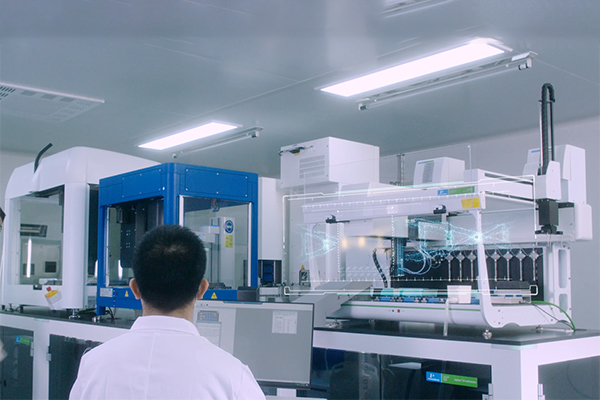
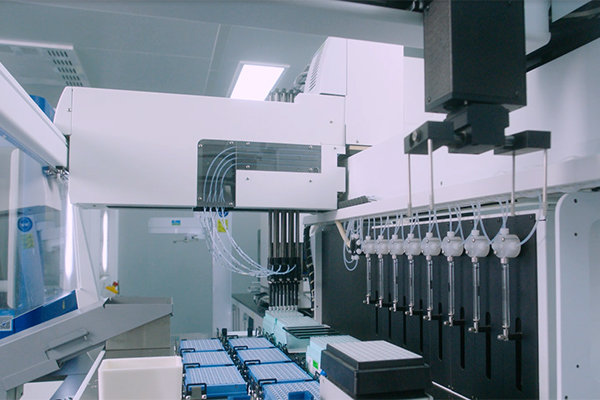
Brilliant Lab 1000 (BL1000) High-Throughput Automation
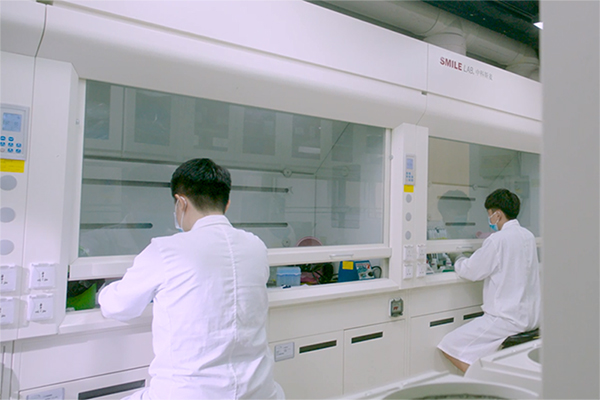
Biomarker Technologies (BMKGENE) and PerkinElmer have jointly engineered the BL1000 fully automated experimental production line. Tailored specifically for high-throughput library preparation, this robotic ecosystem dramatically standardizes stranded mRNA-Seq workflows.
By automating enzymatic shearing, bead cleanup, dUTP incorporation, and PCR set-up, BMKGENE accelerates turnaround times while upholding stringent inter-batch consistency required for regulatory-grade multi-omics research.




Leading Multi-Level High-Throughput Sequencing Platforms
From short-read Illumina and DNBSEQ to single-molecule long-read PacBio and Oxford Nanopore, our laboratories provide multi-dimensional omics resolution.

Instrument Matrix
PacBio: Sequel II, Sequel, RSII
Nanopore: PromethION P48, GridION X5, MinION
10X Genomics: ChromiumX, Chromium Controller
Illumina: NovaSeq Series
BGI/MGI: DNBSEQ-G400, DNBSEQ-T7
Optical Mapping: Bionano Irys system
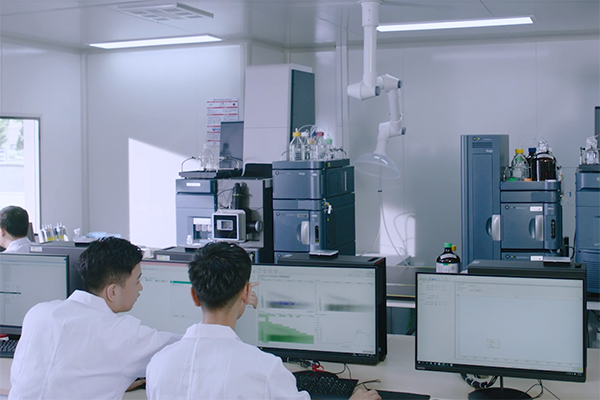
Mass Spectrometry: Waters XEVO G2-XS QTOF, QTRAP 6500+

20,000+ Sq Ft Laboratory
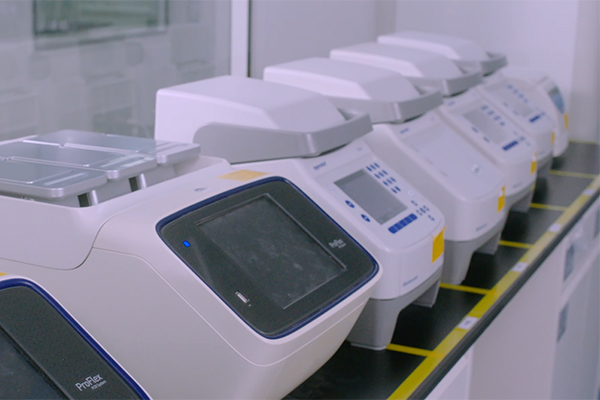
State-of-the-art automated biomolecular instrumentation engineered under rigorous biosafety standards.
Dedicated facilities partitioned for sample nucleic acid extraction, directional library construction, PCR-clean chambers, and high-throughput sequencing suites.
Standard operating procedures (SOPs) governed by ISO9001 quality management from initial receipt to computational data delivery.

BMKCloud Computing Cluster
Proprietary cloud bioinformatics architecture tailored for massive parallel multi-omics data integration.
Over 4,260 high-performance computing cores delivering peak processing power surpassing 121,708.8 Gflop/s.
Equipped with 41,104 GB aggregate system memory and 3 Petabytes (PB) of resilient clustered distributed storage to support cross-cohort multi-omic mining.
Enterprise Qualifications & Academic Collaborations
BMKGene collaborates closely with leading international academic institutions, national post-doctoral research stations, and global technology pioneers.

Certification on Nanopore-based service provider

Joint Laboratory with Pacific Biosciences & Gene Company

National Academician Research Workstation

Joint Laboratory with PerkinElmer Inc.

Teaching Practice Base with Huazhong Agricultural University

Post-doctoral Research Workstation

Joint BioCloud Computing Lab with Huazhong Agricultural University

National High and New Technology Enterprise Qualification
International Certifications & Proprietary Patents
Rigorous international standards (ISO9001, ISO14001, OHSAS18001) combined with over 60 utility and bioinformatics algorithm patents.


Comprehensive Multi-Omic Product Portfolio
Explore our full continuum of genomics, transcriptomics, epigenetics, and metabolomics services designed to accelerate translational discoveries.

Automated magnetic bead-based extraction ensuring high-purity, unfragmented genomic DNA ideal for downstream stranded multi-omic sequencing.
Dissect adaptive variation, selective sweeps, and phylogenetic divergency through high-throughput population resequencing pipelines.
Characterize covalently closed circular RNA isoforms and back-splicing junctions alongside directional mRNA datasets.

Accelerate fine mapping of agronomic traits and mutant genes by combining extreme phenotypic pools with stranded transcriptional validation.
High-precision long-read amplicons delivering strain-level taxonomic classification and complete full-length isoform architectures.
Label-free, TMT, and DIA quantitative mass spectrometry validating functional translational outcomes predicted by mRNA-Seq.
Targeted and untargeted profiling of primary and secondary metabolites to correlate pathway expression directly with phenotypic chemistry.
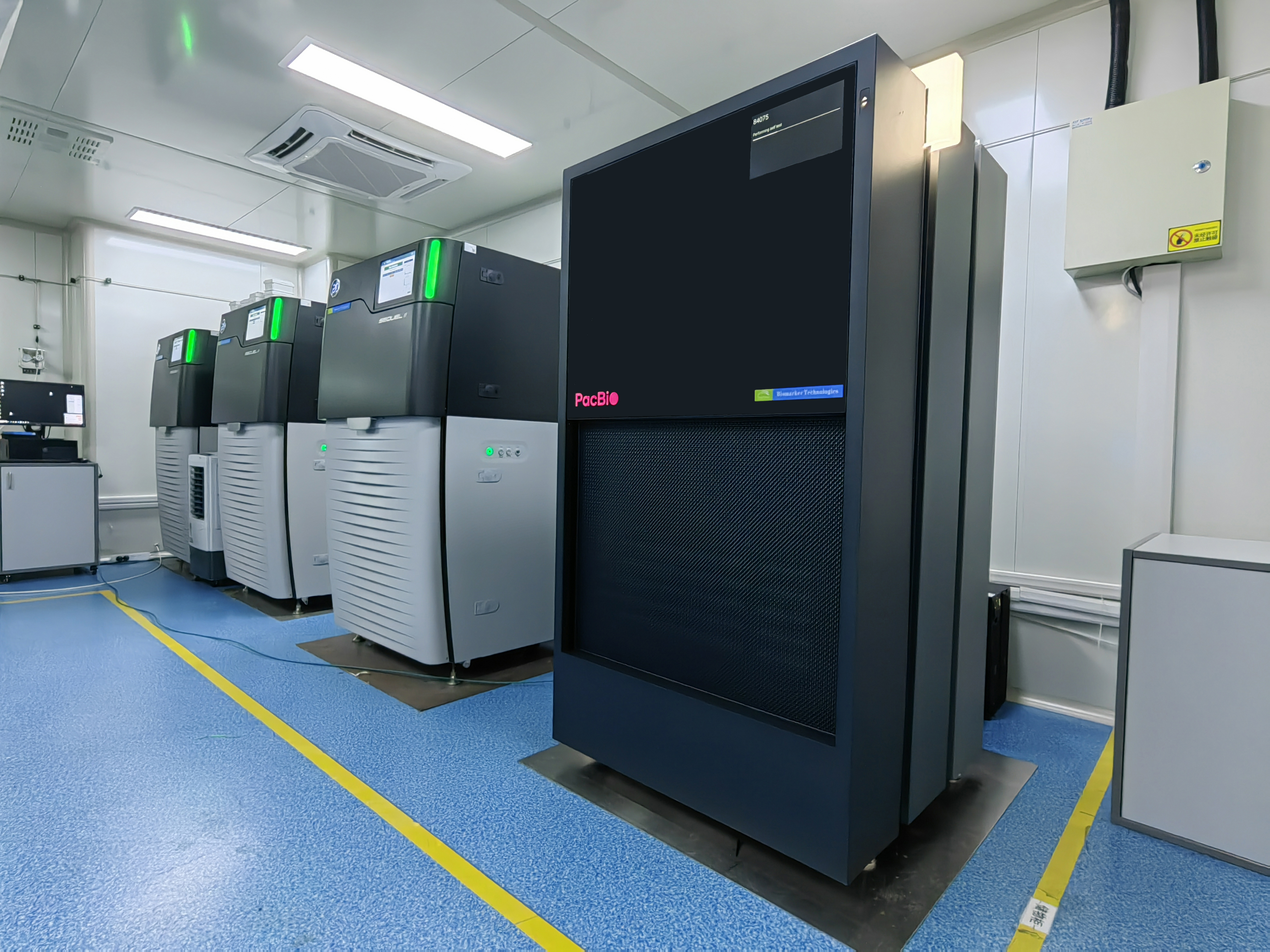
HiFi single-molecule real-time sequencing resolving structural variations, complex repeat elements, and entire transcriptomes without PCR bias.


