
Featured Omics & Targeted Metabolomics Services
Explore our flagship high-throughput quantification pipelines and multi-omics suites tailored for research institutes and bio-industrial partners in New Zealand.
The Rise of Targeted Metabolomics in New Zealand’s Primary & Biomedical Industries
New Zealand’s economy is anchored by internationally renowned primary industries, encompassing pastoral dairy production, high-value horticulture, viticulture, premium apiculture (Mānuka honey), and sustainable aquaculture. In recent years, New Zealand research organizations, Crown Research Institutes (CRIs such as AgResearch, Plant & Food Research, and Scion), and leading universities (including the University of Auckland, University of Otago, Massey University, and Lincoln University) have accelerated the integration of targeted metabolomics into their biological exploration and commercial R&D pipelines.
Unlike broad profiling, targeted metabolomics focuses on the definitive identification and absolute quantification of predefined, biologically relevant chemical entities. Using triple-quadrupole mass spectrometry (LC-MS/MS and GC-MS/MS) operating under Multiple Reaction Monitoring (MRM) modes, targeted assays deliver unparalleled analytical sensitivity, dynamic linear range, and reproducible accuracy. In New Zealand, this technology serves as the chemical cornerstone for verifying product provenance, evaluating functional food bioactive components, uncovering disease metabolic pathways, and engineering climate-resilient pastoral ecosystems.
Dairy & Ruminant Nutrition
Quantification of rumen short-chain fatty acids (SCFAs), milk lipidomes, and conjugated linoleic acids (CLAs) to optimize methane mitigation and bovine milk quality.
Horticulture & Viticulture
Precision profiling of anthocyanins, flavonoids, volatile thiols, and polyphenols to decode Marlborough Sauvignon Blanc terroir and kiwifruit post-harvest longevity.
Mānuka Honey & Natural Products
Standardized authentication and chemical verification of Methylglyoxal (MGO), Leptosperin, Dihydroxyacetone (DHA), and unique marine bioactives from Greenshell mussels.
Key Application Scenarios & Emerging Market Trends in NZ
1. Agricultural Decarbonization and Rumen Microbiome-Metabolome Interactions
Under New Zealand's emissions reduction targets (Zero Carbon Act), the pastoral sector faces urgent requirements to curb biogenic methane and nitrous oxide emissions. Targeted metabolomics plays an indispensable role in monitoring fermentation intermediates in ruminant digestion. By accurately measuring branched-chain volatile fatty acids, methylotrophic pathway substrates, bile acid derivatives, and amino acid catabolites, Kiwi agricultural researchers can evaluate novel forage cultivars (e.g., plantain and high-sugar grasses) and feed additives that inhibit methanogenic archaea without compromising milk solids yield.
2. High-Value Food Authenticity & Chemical Fingerprinting
New Zealand exporters rely heavily on premium branding protected by rigorous origin authentication. In the honey sector, Ministry for Primary Industries (MPI) regulatory standards require strict scientific quantification of chemical attributes. Targeted LC-MS/MS assays facilitate simultaneous measurement of phenyllactic acid, 2-methoxybenzoic acid, 2'-methoxyacetophenone, and 4-hydroxyphenyllactic acid, ensuring zero adulteration. Similarly, targeted phenolic profiling is employed in the apple, cherry, and berryfruit industries to quantify health-promoting antioxidants demanded by premium Asian and North American markets.
3. Biomedical Translation and Multi-Omics Disease Phenotyping
In medical research institutes across Auckland, Wellington, and Christchurch, targeted panels focusing on central carbon metabolism (TCA cycle intermediates, glycolysis metabolites), tryptophan-kynurenine pathway compounds, acylcarnitines, and neurotransmitters are accelerating clinical trials in metabolic disorders, cardiovascular disease, oncology, and neurodegenerative conditions. Combining targeted metabolomics with high-throughput genomic and transcriptomic sequencing creates an end-to-end multi-omics framework that correlates genetic variation with actual metabolic phenotype.
Targeted Metabolomics Pricing Framework & Cost Determinants
Overview of standard quantitative metabolomics panels, turnaround expectations, and estimated project cost benchmarks for New Zealand academic and commercial entities.
| Targeted Panel Category | Key Analyte Targets | Instrumentation Platform | Standard Batch Size | Indicative Price Range (NZD / Sample) | Primary Sector Application |
|---|---|---|---|---|---|
| Short-Chain Fatty Acids (SCFAs) | Acetic, Propionic, Butyric, Isobutyric, Valeric, Isovaleric, Caproic acids | GC-MS / Triple Quadrupole | ≥ 20 Samples | $45 – $85 Popular | Gut microbiome, dairy rumen, fecal studies |
| Amino Acids & Derivatives | 20 Essential/Non-essential amino acids, GABA, Taurine, Ornithine | LC-MS/MS (MRM Mode) | ≥ 20 Samples | $65 – $110 | Nutritional biology, crop breeding, serum analysis |
| Central Carbon Metabolites | TCA cycle intermediates, Glycolytic intermediates, Nucleotides | Waters XEVO G2-XS / QTRAP | ≥ 15 Samples | $95 – $160 | Cellular energetics, microbial fermentation |
| Bile Acid Profiling Panel | Primary, secondary, and conjugated bile acids (>30 species) | LC-MS/MS (Sciex QTRAP 6500+) | ≥ 15 Samples | $120 – $190 | Liver metabolism, lipid absorption, clinical research |
| Plant Polyphenols & Flavonoids | Anthocyanins, Catechins, Quercetin, Kaempferol, Phenolic acids | LC-MS/MS High Resolution | ≥ 20 Samples | $80 – $140 | Wine terroir, kiwifruit, botanical bioactives |
| Custom Absolute Quantification | User-defined customized target lists with isotope internal standards | QTRAP 6500+ / Waters QTOF | Customized Project | Contact for Quote | Novel drug discovery, synthetic biology |
Key Factors Influencing Metabolomics Project Quotations in NZ:
1. Sample Matrix Complexity: Complex biological matrices such as soil, fibrous plant tissues, marine organism viscera, and whole blood require specialized extraction protocols and solid-phase extraction (SPE) cleanup steps, which may adjust sample preparation fees.
2. Isotope-Labeled Internal Standards: High-precision absolute quantification relies on stable isotope-labeled standards (e.g., 13C, 15N, or deuterated analogs) to correct for matrix effects and ionization suppression.
3. Batch Size & Turnaround Tier: Larger project cohorts (e.g., >100 samples) benefit significantly from volume-based tier discounts, automated library prep, and integrated bioinformatic statistical packages.
Biomarker Technologies (BMKGene): Cutting-Edge High-Throughput Power
Biomarker Technologies (BMK)
Biomarker Technologies (BMKGene), founded in 2009, is a leading genomics service provider with over 16 years of continuous innovation in high-throughput sequencing and bioinformatics. Backed by more than 60 national invention patents and 200+ software copyrights, we deliver comprehensive multi-omics solutions—spanning genomics, metagenomics, epigenetics, single-cell omics, transcriptomics, and our proprietary BMKMANU S3000 spatial transcriptome technology—supported by our advanced BMKCloud bioinformatics platform. We have established long-term collaborations with organizations across 84 regions worldwide, providing reliable genomic solutions on a global scale.

Multi-Level Analytical Platforms
PacBio platforms: Sequel II, Sequel, RSII
Nanopore platforms: PromethION P48, GridION X5 MinION
10X Genomics: ChromiumX, Chromium Controller
Illumina platforms: NovaSeq
BGI platforms: DNBSEQ-G400, DNBSEQ-T7
Bionano Irys system
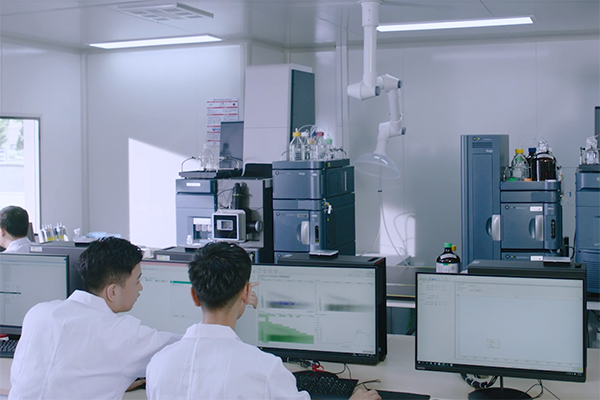
Waters XEVO G2-XS QTOF
QTRAP 6500+

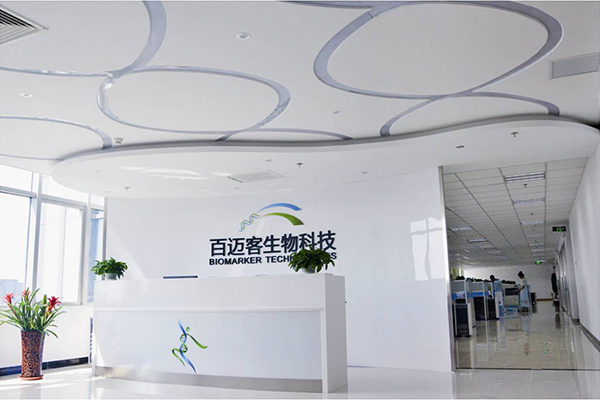
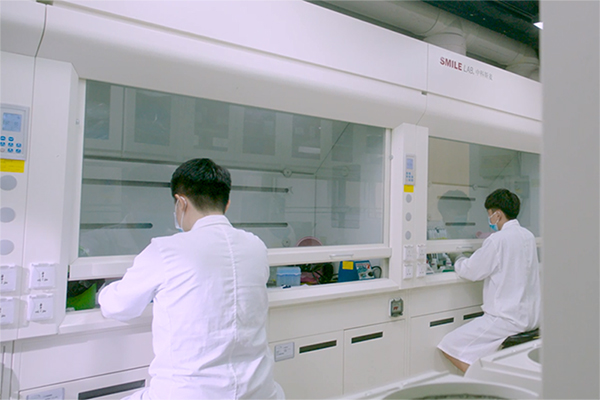
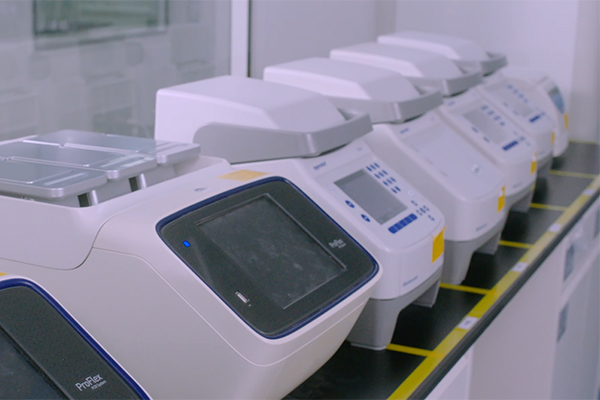
Over 20,000 Square Feet Facility
Advanced biomolecular laboratory instruments.
Standard labs of sample extraction, library construction, clean rooms, sequencing labs.
Standard procedures from sample extraction to sequencing under strict SOPs.

Reliable, Ease-to-use Bioinformatic Cloud
Self-developed BMKCloud platform.
CPUs with 41,104 memory and 3 PB total storage.
4,260 computing cores with peak computing power over 121,708.8 Gflop per second.
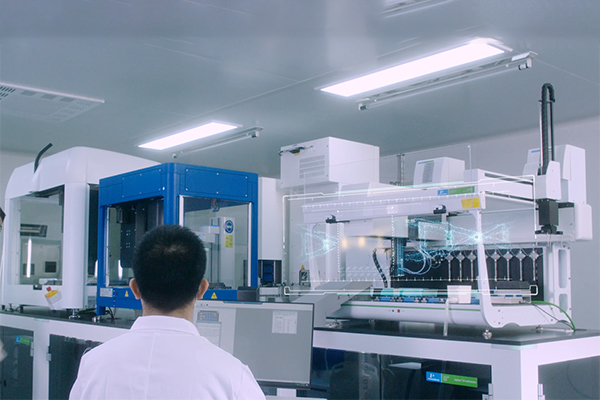
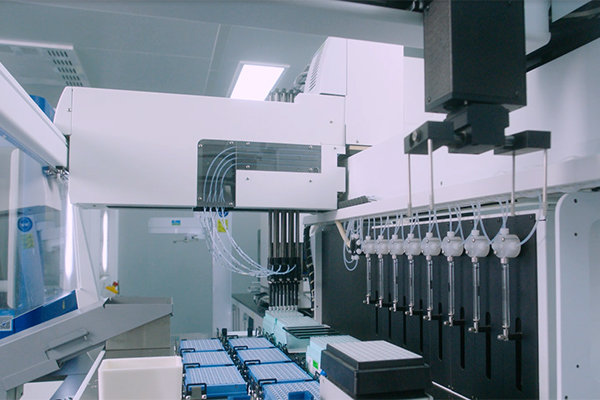
Fully Automated Platform for Next-generation sequencing — Brilliant Lab 1000
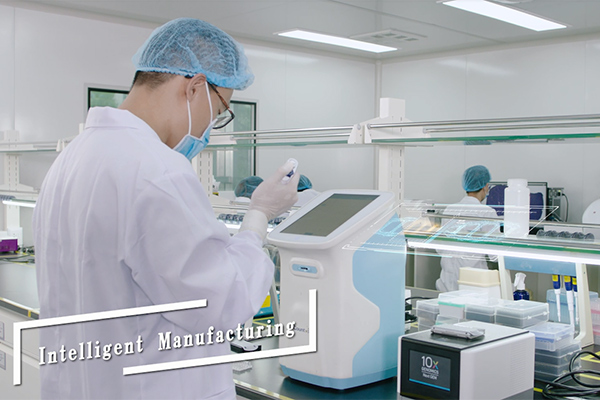
Biomarker technologies (BMKGENE) and PerkinElmer have jointly built a fully automated experimental production line, called Brilliant Lab 1000 (BL1000), which is applied to the high-throughput NGS library construction service.
BMKGENE strives to greatly improve the entire line of sequencing products in terms of product types, production line throughput, delivery quality, and cycle time, to provide customers with better sequencing services.
- End-to-end robotic pipetting and automated liquid handling
- Strict contamination-free SOP control and traceability
- Optimized for large-cohort agricultural and clinical multi-omics projects
Automated Manufacturing & Molecular Facilities


Enterprise Qualifications, Patents & Certifications
International quality certifications (ISO9001, ISO14001, OHSAS18001) and proprietary intellectual property driving trustworthy results.


Comprehensive Multi-Omics & Sequencing Solutions
Explore our full suite of 8 specialized solutions spanning metabolomics, metagenomics, single-cell analysis, chromatin conformation, and de novo genomics.

Metabolomics
View Details
Metagenomic Sequencing - NGS
View Details
Full-Length mRNA Sequencing - Nanopore
View Details
Toolkits
View Details
Hi-C based Chromatin Interaction
View Details
Metagenomics (NGS)
View Details
Single-nuclei RNA Sequencing
View Details


